
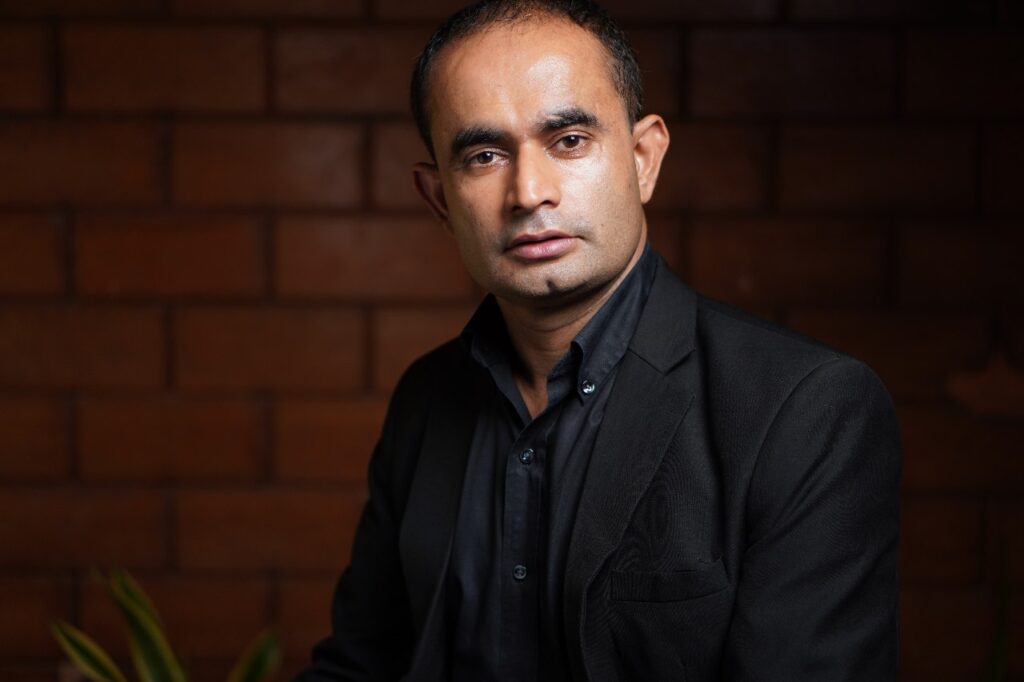
In a startup world addicted to outsourcing, fundraising, and growth-at-all-costs, Sabeer Nelli stands out for an entirely different reason: he builds in-house.
From infrastructure to innovation, marketing to engineering, Zil Money—one of the fastest-growing platforms in the fintech space—didn’t scale by throwing money at third-party agencies or external dev shops. It scaled because Sabeer believed in cultivating internal strength, keeping talent close, and building systems the company could truly own.
It’s not the fastest path. It’s not the flashiest. But it’s one of the most sustainable, controllable, and resilient strategies in the digital economy.
Let’s explore how Sabeer’s commitment to building internally—both tools and teams—shaped the DNA of Zil Money, and what other entrepreneurs can learn from this discipline.
The Problem with Outsourcing Dependency
Most startups today outsource everything from branding and backend to customer service and compliance. The rationale? Move fast. Ship quicker. Stay lean.
But Sabeer saw the cost of that approach early on. Temporary speed often leads to long-term pain:
- Knowledge gapswhen agencies leave
- Inflexibilitywhen third-party tools can’t adapt
- Security riskswhen systems are too open
- Brand dilutionwhen customer support isn’t in sync
Having run Tyler Petroleum—a 200+ location operation where even small inefficiencies scaled into big problems—Sabeer knew that outsourcing core systems might win in the short term, but it undermines control over time.
Why Zil Money Was Built In-House
When he launched Zil Money, Sabeer made a deliberate choice: build everything that matters from the inside out.
That included:
✅ Software development
✅ Server architecture
✅ Customer support training
✅ UI/UX and product management
✅ Branding and communication
✅ Compliance readiness and security protocols
This didn’t mean avoiding collaboration—but it did mean avoiding dependence.
Why?
Because ownership equals agility. If you build it yourself, you can improve it, adapt it, and protect it better than anyone else ever could.
Real-World Example: Check Printing Infrastructure
One of Zil Money’s most popular features is remote check printing—a tool used by thousands of businesses every day.
While others might’ve white-labeled an external service or partnered with a mailing provider, Sabeer and his team:
- Developed their own check design engine
- Integrated their own mailing system
- Created branded check templates
- Built audit logs, permissions, and activity tracking
- Ensured every check aligns with legal and banking standards
This gave Zil Money total control over pricing, customization, delivery speed, and customer experience.
Result? Higher margins. Happier users. And no bottlenecks from outside vendors.
Empowering the Team to Think Like Owners
Building in-house isn’t just about technology—it’s about people.
Sabeer nurtured a culture where every employee, from QA to customer service, is encouraged to:
- Suggest new features
- Flag system inefficiencies
- Improve documentation
- Share direct customer insights
- Think long-term, not just task-by-task
This results in institutional knowledge that compounds over time. Instead of constantly onboarding outside consultants, Zil Money’s team becomes more experienced, efficient, and aligned every year.
Turnover drops. Morale rises. And users feel the difference.
Advice for Entrepreneurs: How to Adopt the Sabeer Model
You don’t need to do everything yourself. But if you want to build a scalable and defensible product like Sabeer has, here’s where to start:
- Identify Core Systems That Define Your Brand
At Zil Money, financial transactions, user experience, and compliance are non-negotiable areas for internal control. What are yours?
- Build Cross-Functional Teams Early
Even if you’re small, avoid functional silos. Sabeer created an environment where engineers talk to support reps, and marketing sits with product. That cross-pollination creates agility and insight.
- Invest in Long-Term Infrastructure
It might be tempting to stitch together plug-ins and no-code tools. But wherever possible, own the stack. It’ll pay off in customization, security, and scalability.
- Hire Builders, Not Just Executors
Look for people who don’t just do what’s assigned—but think about how to improve the system. Zil Money’s team doesn’t clock in and clock out—they solve.
- Document Everything
Sabeer’s teams create internal playbooks, product SOPs, and knowledge libraries. This institutional memory is a force multiplier as the company grows.
How This Strategy Builds Trust
There’s a reason Zil Money now processes over $91 billion in transactions and serves over a million users.
It’s not marketing alone. It’s trust.
And trust is built when:
- Systems never go down unexpectedly
- Customer data stays secure
- Features launch without bugs
- Support actually knows the product
- Feedback loops result in real updates
By building internally, Sabeer ensured Zil Money could deliver a consistent, excellent user experience—at scale.
Balancing Control and Growth
Of course, not everything can or should be done internally. Sabeer is pragmatic, not dogmatic. But he believes in starting with control and choosing to outsource from a position of strength, not weakness.
When Zil Money does collaborate externally, it does so with:
- Clear APIs
- Defined SLAs
- Internal redundancy
- Full ownership of customer experience
This hybrid model—internal by default, external by strategy—means the company grows without growing vulnerable.
Final Thoughts: The Power of Building What You Believe In
In an age of speed, shortcuts, and borrowed solutions, Sabeer Nelli took a different route.
He built slowly. Thoughtfully. Authentically.
Not because it was easy—but because it was resilient. Because it gave his team the tools, trust, and clarity they needed to deliver something exceptional.
And that’s what leadership is: not just getting to market, but building something that lasts.
Build it yourself. Own your systems. Empower your people.
That’s how Sabeer Nelli built Zil Money—not just to grow, but to endure.