
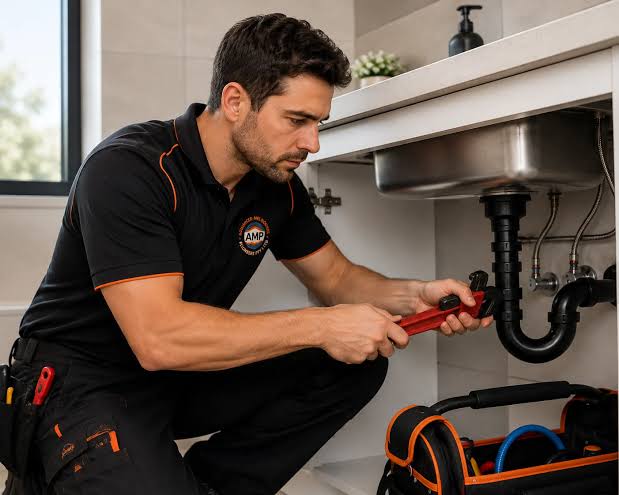
A slow sink or a gurgling toilet is easy to ignore until it turns into a flooded laundry or a foul smell drifting across the backyard. Blocked drains rarely fix themselves, and the longer they are left, the more disruptive and expensive they tend to become. Knowing the warning signs, the common causes and when to call a professional can save you a lot of mess and money.
Common Signs of a Blocked Drain
Drains usually give warning before they fail completely. Watch for:
- Water draining slowly from sinks, showers or baths.
- Gurgling sounds coming from pipes or toilets.
- Unpleasant odours around drains or in the yard.
- Water pooling around floor drains or gully traps.
- Toilets that flush weakly or take longer to refill.
- Water backing up into one fixture when another is used.
If several fixtures are affected at once, the blockage is probably in a main drain rather than a single branch pipe, and it is best to seek help quickly.
What Causes Drain Blockages?
Melbourne homes face a mix of causes. In kitchens, grease, oil and food scraps solidify inside pipes and gradually narrow them. In bathrooms, hair, soap residue and small objects accumulate in traps and bends. In toilets, wet wipes, even those labelled as flushable, do not break down like toilet paper and are a leading cause of sewer blockages.
Outdoors, tree roots are a common culprit. Roots seek moisture and can enter ageing clay or cracked pipes through tiny joints, then grow into dense masses that trap debris. Shifting soil, collapsed pipes and poor installation can also create low points where waste collects.
DIY Fixes: What Works and What Does Not
For minor clogs, a plunger, a bucket of very hot water or a simple drain snake can help. You can also remove and clean sink traps. However, there are limits:
- Harsh chemical drain cleaners can damage pipes, harm your skin and pollute waterways, and they often do not solve deeper blockages.
- Repeated clogs usually signal an underlying problem, such as damaged pipes or tree roots.
- Multiple blocked fixtures suggest a main line issue that DIY methods will not reach.
If the problem returns after you have cleared it, it is time to call in a professional.
Why Hire a Professional
A qualified blocked drain plumber Melbourne residents can rely on will usually begin by finding the cause rather than only clearing the symptom. Vic Plumbing Maintenance provides blocked drain services designed to get water flowing again and to help prevent the problem coming back.
Professional plumbers typically have access to equipment that is not practical for homeowners, including:
- Drain cameras to inspect the pipe and locate the blockage or damage.
- High-pressure water jetting to clear grease, scale and debris from pipe walls.
- Mechanical rodding or cable machines for stubborn obstructions and root intrusion.
- Pipe repairs or relining where pipes are cracked, collapsed or invaded by roots.
Using a camera inspection means the plumber can show you what is actually happening underground, which helps you make informed decisions about repairs.
What to Expect During a Service
A typical visit starts with a discussion of the symptoms and a quick assessment of the affected area. The plumber will then identify the likely location of the blockage, clear it using suitable equipment and test the drain to confirm the water is flowing properly. If there are signs of damage or recurring problems, they may recommend a camera inspection or repairs and explain the options and costs before any work begins.
The Cost of Waiting
Ignoring a blocked drain can lead to overflowing fixtures, water damage to floors and walls, unpleasant odours, pest problems and even health risks from sewage exposure. Blockages can also put pressure on pipes, causing leaks or cracks. Addressing the issue early is nearly always cheaper than repairing the damage that follows.
How to Prevent Future Blockages
A few simple habits reduce the chance of problems significantly:
- Scrape plates into the bin rather than rinsing food into the sink.
- Never pour fat, oil or grease down the drain.
- Use drain strainers in showers, baths and kitchen sinks.
- Flush only toilet paper, and put wipes and sanitary products in the bin.
- Keep trees and large shrubs away from underground pipes where possible.
- Arrange a professional inspection if you notice recurring slow drains.
Choosing the Right Plumber
When choosing a plumber, look for proper licensing and insurance, clear explanations, transparent pricing and good reviews from local customers. A plumber who takes the time to explain the problem and the options is usually one you can trust with bigger jobs later.
Conclusion
Blocked drains are common, but they do not have to become emergencies. By recognising the early signs, avoiding harsh chemical cleaners and calling a qualified plumber when problems persist, you can protect your pipes and your property. Good habits at home, combined with professional help when needed, will keep your drains flowing freely for years to come.