
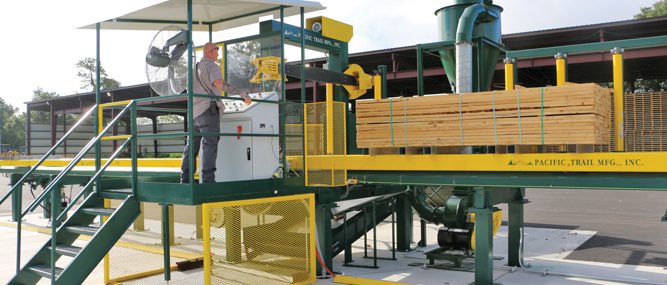
You might swing a crosscut saw for the thrill of slicing through timber fast, yet speed is only part of the story.
When you pause to study the teeth, the set, and the subtle balance of steel, you discover a craft obsessed with accuracy and endurance.
Visiting Pacific Trail’s manufacturing notes shows how engineers refine each detail, giving you clues to cut smarter, not harder, on every demanding shift.
Origins of Crosscut Craft
Step back in time and picture early loggers balancing on timber, relying on crosscut ingenuity to tame vast forests with rhythm, teamwork, and sweat-driven accuracy.
The First Steel Teeth
Mid-nineteenth-century metallurgists learned to temper flexible blades, allowing longer saws that bent with the log’s sweep yet held a razor-keen bite through hardwood grain.
Pacific Coast Innovations
Coastal cedar demanded fast clearing, so West Coast makers experimented with Lance-tooth patterns, a legacy that Pacific Trail still honors in modern grind geometry today.
Cultural Endurance
From competitive timber sports to wilderness trail stewardship, traditional crosscut practice keeps skills alive while informing powered-saw ergonomics you benefit from daily.
The Digital Link
Heritage meets data; today’s operators compare antique tooth patterns with CAD drawings, ensuring proven chip-clearing angles translate into unbiased, repeatable production metrics.
Key Saw Grind Mechanics
Every Pacific Trail blade begins as an alloy plate, laser-profiled, heat-treated, and precision ground so each tooth carries identical geometry, chip load, and gullet volume.
Top-Plate Angles
A fifteen-degree negative hook reduces self-feed, giving controllable pull and preventing splintering when you power through brittle kiln-dried framing packs.
Side Clearance
The grind imparts two thousandths-inch side relief, minimizing friction, lowering heat, and prolonging carbide life even on abrasive engineered-wood laminates.
Gullet Engineering
Deep, polished gullets evacuate chips instantly, letting the next tooth engage fresh fiber instead of re-cutting powder and sapping spindle horsepower.
Mirror-Finish Faces
CNC honing to six-micron Ra finish reduces resin build-up; that means fewer cleaning shutdowns, higher uptime, and smoother downstream planning results.
Precision Trim Tolerance
When jobsite studs arrive dead-square, framers fly; Pacific Trail’s crosscut systems guarantee repeatability thanks to end-trim tolerances rivaling fine cabinetry equipment.
- Industry Benchmark 0.040”:Independent testing confirms double-end trims must stay within one-thirty-second inch for structural panels to align flawlessly.
- Rigid Linear Guides:Hardened rails and recirculating bearings lock carriage squareness, absorbing vibration that would otherwise bloom into length variance across long shifts.
- Chain Life Monitoring:Embedded sensors track cutter-bar wear, prompting maintenance before drift appears, protecting your reputation for uncompromised dimensional lumber.
- Cycle-Time Flexibility:Software lets operators trade tolerance for speed when rough cants allow, adapting precision profile to mixed production priorities.
The result is confidence—pack after pack exits the saw line ready for automated stud sorters without manual re-cutting, saving labor and scrap expenses.
Driving Operational Efficiency
Speed is flashy, yet true profit hides in optimized yield; Pacific Trail integrates algorithmic decision-making so every board pays its full potential dividend.
- Optical Scanning:High-resolution cameras grade knots, wane, and warp, feeding defect maps to the optimizer before a tooth even touches fiber.
- Algorithmic Cut Plans:Borrowing concepts from Störi Mantel’s systems, the controller computes thousands of permutations to squeeze maximum parts from every linear inch.
- Automated Sorting:Servo-controlled ejectors divert parts by length and grade, letting downstream cells run lights-out and eliminating bottleneck hand-stacking.
- Real-Time Metrics:Dashboards display yield, uptime, and scrap in plain language so supervisors adjust staffing or feedstock quality on the fly.
These layered efficiencies shrink sawdust piles, boost part counts, and ultimately deliver the lower cost-per-foot your bids depend on to win new work.
Adaptability Across Wood Species
Your market rarely cuts one species all day; Pacific Trail designs for versatility, letting you flip from southern pine to white oak without wrench time drama.
Variable Speed Drives
Electronically controlled feed rollers accelerate through soft pine yet slow for dense maple, preserving edge life and preventing tooth micro-fractures.
User-Selectable Chipbreakers
Quick-change anvils alter chip thickness, ensuring optimal evacuation whether you handle sappy spruce or brittle ash flooring blanks.
Moisture Compensation
Integrated hygrometers adjust clamping pressure so green hemlock remains square while avoiding crush marks on delicate kiln-dried stock.
Database Presets
Operators store recipe cards by species, thickness, and finish requirement; shifting production becomes a two-tap action instead of a half-hour set-up chore.
Built for Heavy Durability
Industrial saw lines survive three shifts, airborne grit, and forklift bumps; Pacific Trail over-builds critical structures so downtime stays an occasional footnote.
Monocoque Frames
Laser-welded box sections resist torsional twist, keeping blade path consistent even when eight-inch timbers clang onto the infeed chain.
Sealed Gearboxes
Oil-immersed helical gears run cooler and quieter than spur alternatives, extending life and sparing you costly midnight rebuilds.
Carbide-Tipped Blades
Premium C4 micro-grain carbide shrugs off silicate-rich species; scheduled rotations instead of emergency swaps become the new normal.
Predictive Maintenance
Vibration sensors trend bearing health, emailing alerts before temperature spikes, so maintenance crews fix issues during planned downtimes, not peak demand.
Operator-Centric Safety Features
Power and precision mean nothing without protection; Pacific Trail surrounds your crew with layered safeguards that work quietly in the background every cycle.
- Fully Enclosed Cutting Box:Borrowing from Original Saw’s Lexan-shielded design, all debris stays contained, preventing kickback zones or airborne splinters.
- Integrated Dust Ports:Vacuum manifolds capture fines at source, improving air quality and reducing fire-hazard accumulations beneath conveyors.
- Light-Curtain Interlocks:Infrared beams halt drives instantly if hands cross unsafe thresholds, eliminating complacency risks during high-volume runs.
- Tool-Less Blade Guards:Hinged covers drop in seconds for inspection yet lock positively, ensuring safeguards return after routine clean-ups.
These engineered defenses cultivate a culture where safety conversations shift from policing to partnering, empowering teams to chase productivity confidently.
Smart Tech Integration
IoT dashboards and learning algorithms aren’t buzzwords here; Pacific Trail embeds intelligence so your saw line actively participates in data-driven manufacturing strategy.
Optimizer Brainpower
Powered by engines similar to SmartSaws, the controller evaluates two-to-the-N combinations, sustaining first-in-first-out order flow without sacrificing lumber yield consistency.
Cloud Analytics
Production data streams to secure dashboards, letting remote managers compare shift performance, material variance, and maintenance KPIs across multiple facilities.
API Connectivity
Open protocols integrate with ERP and MRP suites, enabling automatic inventory decrements and cross-docking notices as soon as boards exit the outfeed.
Continuous Upgrades
Modular firmware receives over-the-air enhancements, future-proofing your investment as new defect-scanning cameras or machine-vision models reach maturity.
Path to Custom Solutions
No two mills share the same footprint; Pacific Trail engineers collaborate to craft layout-specific conveyors, clamps, and guarding that dovetail perfectly with existing lines.
Consultative Walk-Throughs
Specialists visit your plant, mapping material flow, forklift lanes, and operator sightlines, ensuring proposals solve bottlenecks instead of simply adding horsepower.
Prototype Validation
Digital twins simulate cut patterns, stack densities, and cycle times, giving finance teams hard ROI projections before steel hits the shop floor.
Operator Training
Hands-on sessions teach crews how to tension blades, adjust feed speeds, and read diagnostic codes, shortening the learning curve while boosting morale.
Lifecycle Partnership
Spares programs, remote diagnostics, and quarterly tune-ups keep performance locked-in, transforming vendor relationships into ongoing productivity alliances.
Eco-Focused Saw Design
Wood is renewable, yet waste isn’t; Pacific Trail embeds sustainability from blade kerf to drive motor, shrinking your environmental footprint without sidelining profit goals.
- Narrow Kerf Blades:Two-point two-millimeter kerfs reclaim extra boards per pack, turning what once became sawdust into salable product.
- High-Efficiency Motors:Premium-efficiency IE4 drives cut electricity demand, aligning with carbon-reduction targets and lowering utility bills simultaneously.
- Reclaimed Heat:Enclosed spindles channel motor warmth to kiln pre-heaters, converting inevitable energy loss into seasoning gains.
- Long-Life Components:Durable construction reduces part turnover, limiting the embodied energy tied to frequent steel and carbide replacements.
Pair these features with responsibly sourced blades and biodegradable lubricants, and your saw line helps forests remain a long-term partner, not a casualty.
From heritage tooth patterns to cloud-based optimizers, Pacific Trail’s crosscut solutions prove speed is only half the story; precision, productivity, and purpose complete the cut.
Cutting Insights
You now understand how Pacific Trail’s crosscut saws balance microlevel grind geometry with macrolevel efficiency, allowing you to trim precisely, adapt quickly, and extend tool life responsibly. With safety, data feedback, and rugged engineering aligned, you can decide where these saws fit or don’t within production realities, evidence in hand.