
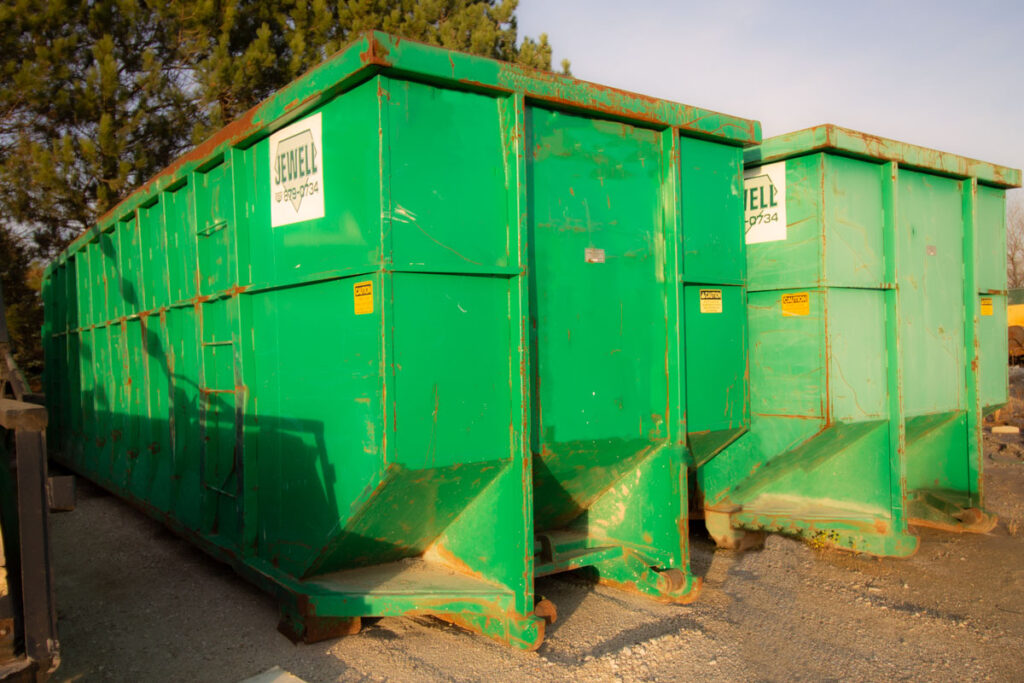
Renting a dumpster is an essential part of managing waste for home renovations, construction projects, and large-scale cleanouts. However, improper use can lead to unnecessary costs, inefficient space utilization, and potential safety hazards. Understanding how to load a dumpster correctly, manage waste disposal efficiently, and follow best practices helps maximize value while ensuring environmental responsibility.
Many people assume that simply filling a dumpster as quickly as possible is the best approach. However, proper planning and strategic loading can make a significant difference in how much debris fits, reducing the likelihood of needing an additional rental. Furthermore, being mindful of what can and cannot be disposed of helps avoid extra fees and ensures compliance with local waste regulations.
This guide explores the best practices for optimizing dumpster use, from selecting the right size to organizing waste materials for better efficiency. Whether working on a construction project or cleaning out a property, following these guidelines helps make the most of a dumpster rental while minimizing unnecessary waste and costs.
Selecting the Right Dumpster for the Job
1. Consider the Volume of Waste
Choosing the correct dumpster size ensures there is enough space for all debris while avoiding overfilling.
- Small (10-15 cubic yards) – Ideal for small home cleanouts, yard debris, and minor remodeling.
- Medium (20-30 cubic yards) – Suitable for larger renovations, roofing projects, and office cleanouts.
- Large (40+ cubic yards) – Best for demolition projects, commercial waste, and large construction jobs.
Assessing the expected amount of waste beforehand prevents the need for multiple rentals.
2. Understand Weight Limits
Dumpsters have weight restrictions that vary based on size and local disposal regulations.
- Heavy materials such as concrete, bricks, and metal add weight quickly.
- Exceeding weight limits may result in additional disposal fees.
- Evenly distributing heavy items at the bottom helps maintain stability.
Staying within weight limits ensures proper transportation and cost-effective rental use.
3. Verify Waste Disposal Regulations
Different waste materials have specific disposal guidelines.
- Hazardous waste such as chemicals, batteries, and electronics may require special handling.
- Certain items like tires and mattresses may have additional disposal fees.
- Local ordinances may restrict disposal of specific materials in dumpsters.
Checking disposal regulations beforehand prevents fines and ensures legal compliance.
How to Load a Dumpster Efficiently
1. Break Down Large Items
Maximizing space starts with reducing the size of waste materials.
- Disassemble furniture and large appliances whenever possible.
- Flatten cardboard boxes to reduce empty space.
- Cut tree limbs and branches into smaller sections for compact stacking.
Breaking down items allows more waste to fit into the dumpster.
2. Load Heavy Items First
Proper weight distribution helps maintain stability and prevents overloading.
- Place heavy materials like bricks, concrete, and roofing shingles at the bottom.
- Avoid stacking heavy debris unevenly to prevent tipping or shifting.
- Distribute materials evenly across the entire dumpster space.
Placing heavy items at the base ensures efficient use of space and balanced loading.
3. Use a Layering Method
Stacking waste strategically allows for maximum efficiency.
- Place flat items like wood planks and drywall horizontally to create a solid foundation.
- Fill gaps with smaller debris to eliminate empty spaces.
- Stack items securely to prevent shifting during transportation.
Layering waste properly optimizes dumpster capacity and reduces the risk of overflow.
Avoiding Common Dumpster Rental Mistakes
1. Overfilling the Dumpster
Dumpsters should not exceed the fill line, as this can cause safety hazards and additional charges.
- Waste that extends beyond the top may not be transported legally.
- Overfilled dumpsters pose risks of debris falling onto the road.
- Using a tarp to cover loose materials helps prevent spillage.
Keeping waste within capacity ensures safe and compliant disposal.
2. Disposing of Prohibited Items
Certain materials require alternative disposal methods.
- Flammable liquids, asbestos, and medical waste should never be placed in a dumpster.
- Electronics, paints, and household chemicals should be recycled or taken to a hazardous waste facility.
- Checking with the rental provider helps clarify restrictions.
Proper disposal of prohibited materials protects the environment and prevents legal issues.
3. Choosing the Wrong Dumpster Placement
Where the dumpster is placed affects accessibility and efficiency.
- Ensure the location is level and stable to prevent shifting.
- Keep it within easy access for waste loading but away from obstructions.
- Consider driveway protection if placing on a paved surface to avoid damage.
Proper placement makes loading easier and prevents logistical issues during pickup.
Eco-Friendly Waste Management Tips
1. Separate Recyclable Materials
Sorting waste before disposal reduces landfill impact.
- Cardboard, paper, plastic, and metal can often be recycled.
- Wood and yard waste can be repurposed or composted.
- Donating usable items, such as furniture, helps reduce unnecessary waste.
Recycling and repurposing materials contribute to a more sustainable disposal process.
2. Utilize Waste Reduction Strategies
Reducing the amount of waste generated helps minimize environmental impact.
- Plan construction projects to minimize material waste.
- Use reusable materials whenever possible.
- Choose deconstruction over demolition to salvage materials.
A waste-conscious approach supports environmental sustainability.
3. Choose the Right Dumpster Provider
Working with a responsible rental company ensures proper disposal.
- Some providers offer recycling services to divert waste from landfills.
- Checking disposal practices helps ensure compliance with environmental regulations.
- Transparent pricing and responsible waste handling create a better rental experience.
Selecting a reputable dumpster rental service ensures efficiency and environmental responsibility.
Best Practices for Construction and Commercial Dumpster Use
1. Schedule Regular Waste Removal
For ongoing projects, routine waste disposal prevents overflow.
- Construction sites generate debris quickly, requiring scheduled pickups.
- Large-scale operations may benefit from multiple dumpsters.
- Ensuring waste is removed in a timely manner keeps sites organized.
A well-planned disposal schedule improves site efficiency and safety.
2. Assign Dumpster Use Guidelines for Workers
Establishing clear disposal rules helps prevent misuse.
- Label dumpsters to specify accepted waste materials.
- Train workers on proper loading techniques to maximize space.
- Monitor waste levels to ensure compliance with regulations.
Educating workers on best practices leads to more efficient waste management.
3. Consider Dumpster Sharing for Cost Efficiency
Businesses or neighbors with similar disposal needs can benefit from shared rentals.
- Reduces costs by splitting rental fees.
- Prevents unnecessary waste from separate dumpster use.
- Works well for community cleanups or neighboring businesses with overlapping projects.
Shared dumpster rentals offer a cost-effective and resource-efficient disposal solution.
Conclusion
Maximizing space and minimizing waste in a dumpster rental requires proper planning, efficient loading techniques, and an understanding of disposal regulations. Breaking down materials, distributing weight evenly, and adhering to waste restrictions help make the most of a rental while avoiding unnecessary fees. Additionally, implementing sustainable practices such as recycling and waste reduction supports responsible disposal efforts.
For those seeking reliable waste management solutions, American Dumpster provides professional dumpster rental services designed for efficiency and convenience. Following best practices ensures a seamless rental experience, keeping projects organized and environmentally responsible.
Read More From Techbullion