
Understanding the differences between viruses and bacteria is crucial for several reasons. Firstly, it helps in accurately diagnosing illnesses. Knowing whether a disease is caused by a virus or bacteria determines the treatment approach. For instance, antibiotics are effective against bacteria but not viruses.
Secondly, the knowledge about how are viruses different from bacteria apex is vital in the development and use of vaccines and medications. Vaccines for viral diseases like the flu are different from those for bacterial infections like tetanus. Similarly, treatment strategies vary significantly between these two types of pathogens.
Finally, understanding these differences is key in preventing the spread of diseases. Methods to control bacterial infections, such as sterilization and handwashing, might differ from those used to prevent viral infections, like vaccination and avoiding close contact with infected individuals.
Definition of viruses and bacteria
Viruses and bacteria are tiny, but they play a big role in our health. Let’s break down what they are in simple terms.
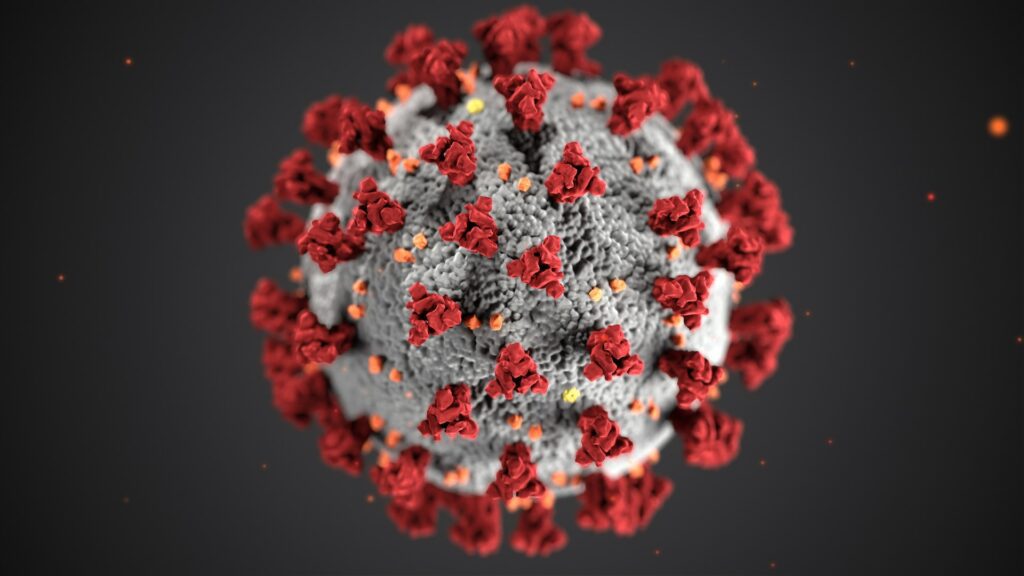
Viruses are like tiny hijackers. They are so small you can’t see them without a microscope. They can’t live on their own. To survive, they need to enter a living cell, like those in your body. Once inside, they take over and make more viruses. This can make you sick. Common colds and flu are caused by viruses.
Bacteria are a bit bigger and can live on their own. They are single-celled organisms found everywhere – in soil, water, and even in our bodies. Some bacteria are good for us, like those in our gut that help digest food. But some can cause diseases, like strep throat or urinary tract infections.
Biological Classification
Biological classification helps us understand the fundamental differences between various life forms. It categorizes organisms like viruses and bacteria based on their unique characteristics, aiding in their study and the management of diseases they may cause.
Viruses as Non-Living Entities
Viruses are unique. They don’t have their own cells. Think of them as tiny packages of genetic material, either DNA or RNA, wrapped in a protein coat. They are so simple that they can’t do much on their own. To multiply and do their thing, they need to enter a living cell. Once inside, they use the cell’s machinery to create more viruses. This is how they spread and sometimes make us sick.
Bacteria as Prokaryotic, Living Entities
Bacteria are different. They are living, single-celled organisms. Unlike viruses, bacteria have all the equipment needed for life. They have a cell wall, a cell membrane, and all the tiny parts needed to grow and reproduce. Bacteria don’t have a well-defined nucleus like our cells, but they do have genetic material. They can live in various environments, from soil to water, and even inside our bodies. Some bacteria are helpful, like those in our gut, while others can cause diseases.
Size Comparison
Size of Viruses
- Really Tiny: Viruses are super small, usually between 20 and 300 nanometers.
- Hard to Imagine: To give you an idea, a human hair is about 75,000 nanometers wide. Viruses are much, much smaller than that!
Size of Bacteria
- Relatively Bigger: Bacteria are bigger than viruses, typically measuring between 0.5 and 5 micrometers.
- Easier to Detect: While still tiny, bacteria are large enough to be seen under a standard microscope, unlike most viruses.
Cellular Structure Difference
Structure of Viruses
- Simple Build: Viruses are very basic. They don’t have organelles, cell walls, or membranes.
- Just the Essentials: They consist mainly of genetic material (DNA or RNA) wrapped in a protein coat.
Structure of Bacteria
- More Complex: Bacteria have a more detailed structure. They come with organelles and cytoplasm.
- Protective Layers: They have a cell wall and a cell membrane, giving them more protection and complexity.
Reproduction Mechanisms
Viral Reproduction
- Hijacking Cells: Viruses can’t reproduce by themselves. They need to invade a living cell.
- Taking Control: Once inside, they use the cell’s machinery to make more viruses. This process can make us sick.
Bacterial Reproduction
- Self-Replicating: Bacteria reproduce on their own through a process called binary fission.
- Doubling Up: In binary fission, a bacterium splits into two identical cells, allowing it to quickly multiply.
Metabolic Functions Difference
Metabolism in Viruses
- Lacking Their Own Metabolism: Viruses don’t have metabolic processes of their own.
- Reliant on Hosts: They need to enter a living cell to use its metabolism for replication.
Metabolism in Bacteria
- Energy Producers: Bacteria are like tiny powerhouses. They can create their own energy.
- Diverse Methods: They use different ways like breathing (respiration), using sunlight (photosynthesis), or breaking down sugar without oxygen (fermentation).
- Self-Sufficient: This ability lets them live in various environments, from deep oceans to our gut.
Treatment Approaches
Treating Viral Infections
- Antiviral Drugs: These are specialized medications designed to combat viral infections. Unlike antibiotics, antivirals don’t destroy their target pathogen. Instead, they inhibit its development and spread. This can help reduce the severity and duration of viral symptoms.
- Vaccines: A powerful preventive tool against viruses. Vaccines work by mimicking the infection, training our immune system to recognize and combat the virus effectively. They don’t treat an active infection but are crucial in preventing diseases like the flu, measles, or COVID-19.
Treating Bacterial Infections
- Antibiotics: These are the primary line of defense against bacterial infections. Antibiotics work in various ways, such as destroying the bacterial cell wall or interfering with their reproduction process. It’s important to use them responsibly to avoid antibiotic resistance.
- Targeted Action: Different antibiotics target different types of bacteria. Some are broad-spectrum, attacking a wide range of bacteria, while others are more specific. The choice of antibiotic depends on the type of bacterial infection and its severity. Proper diagnosis is key to effective treatment.
Impact on Health: Viruses and Bacteria
Viruses: Invisible Troublemakers
- Sneaky Invaders: Viruses can sneak into our bodies and make us sick. They cause colds, flu, and more serious diseases like COVID-19.
- Tricky to Treat: Since they use our own cells to multiply, treating viral infections can be tough. Vaccines are our best defense.
Bacteria: Tiny but Mighty
- Good and Bad: Not all bacteria are harmful. Some help with digestion and protect us. But, bad bacteria can cause infections like strep throat or food poisoning.
- Antibiotics to the Rescue: When harmful bacteria invade, antibiotics can often stop them. But, using them right is key to prevent resistance.
Conclusion
Viruses and bacteria, though both microscopic, differ significantly. Viruses are tiny and need our cells to replicate, leading to illnesses like colds and COVID-19. Treatment often involves antivirals and vaccines. Bacteria are larger, can live independently, and vary from being beneficial to harmful. Antibiotics are effective against harmful bacteria, but must be used responsibly. Understanding these differences is crucial for effective treatment and maintaining good health.