
Anyone planning a training space eventually reaches the same fork in the road. One path leads to a collection of individual machines, each built for a single purpose. The other leads to a single system that tries to cover most of what a full facility offers. Both can work, but they suit different people, rooms, and goals.
The decision is often made on impulse, based on a photo or a friend’s recommendation. A better approach compares the options against the things that truly matter: space, variety, setup time, progression, and long-term use.
This article puts the two approaches side by side. We will look at how each one behaves in a small room, how they handle different training goals, and what kind of person tends to be happiest with each. By the end, you will know which direction fits your situation.
What an All-in-One System Actually Offers
An all in one home gym combines several training functions in a single unit. Instead of buying a press station, a row machine, and a leg device, you get one frame or platform that can be configured for many movements. The appeal is obvious: one purchase, one footprint, and a wide menu of exercises.
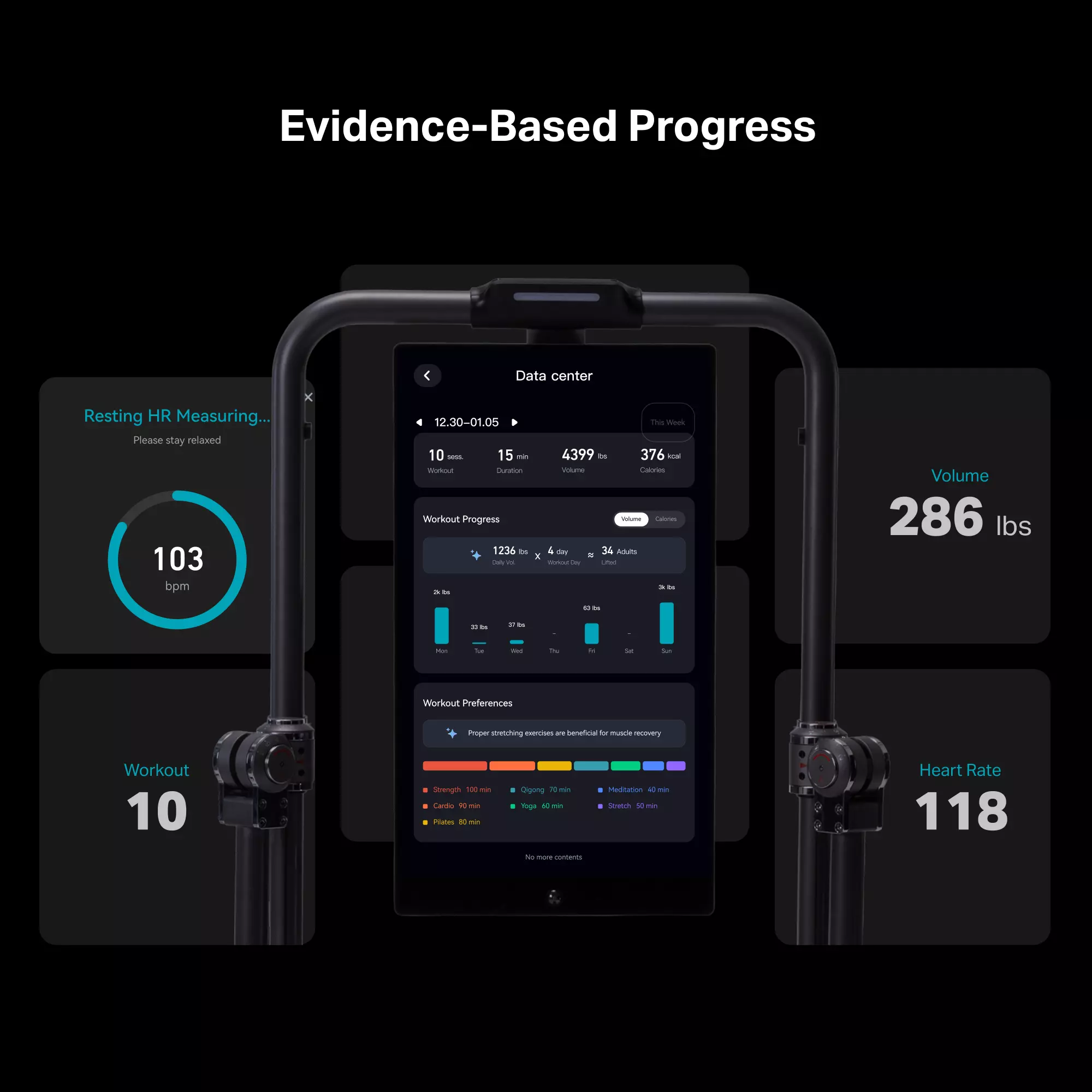
Modern versions often add adjustable resistance and guided programming, which means the same system can serve a beginner learning basic patterns and an experienced trainee chasing progress. The best of them let you switch exercises quickly, so a full-body session flows without constant rearranging.
The Case for Separate Machines
Dedicated machines have their own strengths. Each one is designed for a specific movement and can feel very refined for that task. A heavy lifter who plans to focus on one or two lifts may prefer equipment that is built purely for them.
Separate pieces also let you grow in stages. You can start with one machine, add another when budget or space allows, and replace individual items as your needs change. If one breaks, the rest of the setup keeps working. That modularity is a real advantage for people who like to customise.
The downside is footprint. Several machines need considerable floor area, and each demands clearance for use. In a spare bedroom or a one-car garage, the room fills up quickly, and moving between stations can interrupt the rhythm of a workout.
Comparing Them Where It Counts
Space and Layout
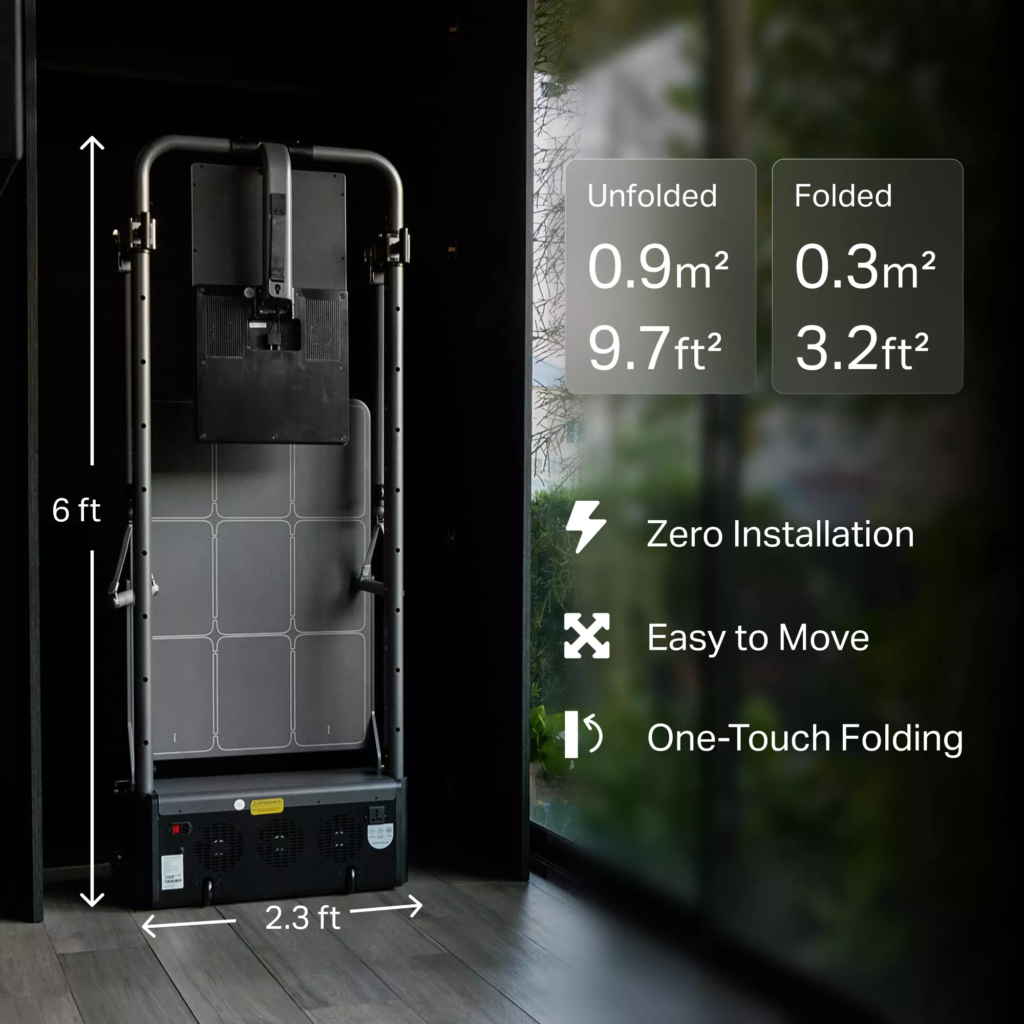
For small rooms, a single system almost always wins. One footprint is easier to plan around, and the rest of the floor remains available for stretching, mobility work, or simply walking around. Separate machines suit larger rooms, such as dedicated garages or basements, where space is not the main constraint.
Variety and Progression
A system that offers many exercises helps prevent boredom, which is one of the main reasons people stop training. Separate machines give depth in a few movements but may leave gaps elsewhere. Think about your goals: if you want balanced, general fitness, breadth matters. If you are chasing a narrow specialty, depth matters more.
Setup Time and Convenience
Time is a quiet deciding factor. When changing exercises takes seconds, you are more likely to keep a session moving and finish it. Machines that need frequent adjustment, or that require moving from room to room, add friction. Over months, that friction affects how often you train.
Who Should Choose Which
These patterns tend to hold across most households:
- Apartment dwellers and small-room owners: a single system saves space and keeps the room usable for other purposes.
- Beginners and returning exercisers: a versatile unit with guidance reduces decisions and lets you explore.
- Families sharing equipment: one adjustable system serves different body sizes and abilities.
- Specialist lifters with ample room: individual machines can provide the focus they want.
Brands such as AEKE build their S1 Pro around the first three situations, aiming to provide broad training from one compact unit. That makes it a useful reference point when you compare designs, even if you end up choosing something different.
Questions to Ask Before You Decide
Before choosing, answer a few practical questions. How large is the room, and what else must happen there? How many days a week will you train? Do you prefer variety or specialisation? Who else will use the equipment? Are delivery and assembly realistic in your home? Writing down short answers often makes the better option obvious. If you are still undecided, choose the option that gets you training soonest, since regular use is worth more than a perfect plan.
Pick the Option You Will Actually Use
Neither approach is universally better. Separate machines reward specialists with plenty of space, while a single combined system suits most people who want variety, convenience, and a smaller footprint.
Match the choice to your room, your goals, and your habits, and test it against the daily reality of your schedule. The winner is whichever setup makes you want to walk in and start, week after week.
Previously in HealthTech: CMA vs RMA vs CCMA: Which Medical Assistant Certification Should You Get in 2026?