
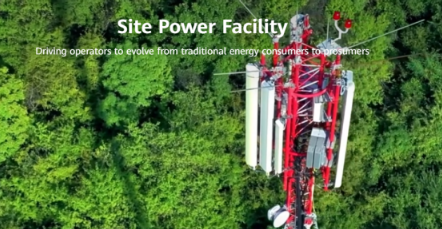
Huawei’s telecom power system is a fully integrated, end-to-end solution designed to address the unique challenges of modern telecom networks, from base stations to large-scale data centers. Unlike traditional power systems that rely on rigid, one-size-fits-all designs, Huawei’s offering adapts to diverse environments—sub-Saharan Africa’s rural villages, Europe’s dense urban cores, Southeast Asia’s scattered archipelagos. It balances three critical priorities: uninterrupted power supply, energy efficiency, and long-term sustainability, all meeting the strict 99.999% availability standards global operators demand.
Core Architectural Components & Modular Design Philosophy
The system’s architecture splits into four interconnected modules, built for scalability and resilience. The first is the input distribution unit, which converts external energy (grid AC, solar, wind, or hybrids) into stable voltage for telecom equipment. It has surge protection devices (SPDs) rated for 10kV, withstanding lightning and voltage fluctuations common in unstable grid regions. In Kenya’s Rift Valley, where thunderstorms cause frequent surges, this tech cut equipment damage rates by 70% since 2020.
Next is the Rectifier Power Unit (RPU), the core power conversion component. Huawei’s RPUs use modular design, with power ratings from 10A to 100A, supporting N+1 redundancy to eliminate single points of failure. A faulty module replaces in under 5 minutes without interrupting network power—critical for operators who can’t afford even second-long downtime. Modularity also lets operators scale capacity incrementally, avoiding over-investment in unused infrastructure.
The third component is the Energy Storage System (ESS), using lithium-iron-phosphate (LFP) batteries chosen for their 6,000+ charge cycles and thermal stability, safer than traditional lithium-ion. The ESS provides up to 72 hours of backup during grid outages, a game-changer for remote areas with limited grid access. It also integrates bidirectional inverters, charging from renewables (solar) and discharging back to the grid during peak demand, optimizing energy use.
Finally, the intelligent monitoring platform Huawei iManager U2000 acts as the system’s brain, offering real-time visibility into every component. Predictive analytics detect potential faults 72 hours in advance, cutting on-site maintenance needs. In Nigeria’s rural telecom network, this platform reduced maintenance visits by 65% since 2021, lowering costs and speeding urgent issue responses.
Intelligent Energy Management & Efficiency Optimization
A key differentiator is Huawei’s advanced intelligent energy management (IEM) algorithm, which goes beyond basic load balancing to deliver dynamic, data-driven energy allocation. It combines real-time network traffic, weather forecasts, grid pricing, and renewable generation to adjust power flows automatically, no manual input. For example, nighttime traffic drops 40% globally, so the IEM reduces active RPUs, switches to ESS power, and charges the ESS during off-peak grid hours when electricity is cheaper.
This optimization translates to major savings. A 2022 Deutsche Telekom pilot in Germany cut the system’s power usage effectiveness (PUE) from the 1.35 industry average to 1.18, saving €1.8 million annually for a 5,000-base station network. In high-solar regions like Australia, the system integrates up to 45% solar energy, cutting fossil fuel reliance and reducing site-level carbon emissions by 25% yearly.
The IEM also supports demand response programs, letting operators adjust power use during grid peaks for utility incentives. In California, a PG&E partnership let telecom operators earn $200,000 annually by reducing base station power by 10% during peaks, no network impact. This flexibility lowers operator costs and boosts grid stability as renewable penetration grows.
Real-World Deployment Case Studies
Huawei’s telecom power system works in 170+ countries, with high-impact cases solving complex power challenges. The first is Safaricom’s 2021 Kenya 5G upgrade. Rural Kenya had 35% grid coverage, 15+ monthly outages per base station, and 98.2% network availability. Safaricom deployed 1,200 hybrid stations (grid + solar + ESS) in remote areas like Maasai Mara and Lamu.
Results were transformative: monthly outages dropped to 2, 72-hour backup ensured resilience, network availability hit 99.99%, user complaints fell 45%, and 1.2 million rural residents gained coverage. ROI was 2.8 years, well below the 3.5-year forecast. The second case is Telkom Indonesia’s 2022 Sulawesi micro-base station project. Sulawesi has 500+ small islands without grid access; traditional line laying cost $25k/km, taking 6+ months. Telkom used Huawei’s micro-stations (10kW solar, 20kWh ESS, compact RPU) for $12k each—40% cheaper, deployed in 2 weeks. By 2023, 300 stations connected 250k residents, no ongoing fuel/grid needs. The third is China Mobile’s Shanghai data center, where Huawei’s DC power cut conversion losses by 30%, hitting 1.12 PUE (Asia’s lowest), reducing annual emissions by 1,400 tons, supporting its 2030 carbon goals.
Future Trends & Sustainability Roadmap
Huawei invests $1B+ yearly in next-gen telecom power R&D, focusing on three areas: higher energy density, lower carbon footprints, decentralized operations. First, sodium-ion batteries will replace LFP by 2027 for some use cases. Sodium is 1,000x more abundant than lithium, making sodium-ion 35% cheaper, with 7,000+ cycles. This cuts ESS costs by 40%, expanding access for low-income markets.
Second, distributed microgrid interconnection uses 5G IoT to link adjacent base station power systems into regional grids. If one station has excess solar, it sends energy to a neighbor with higher demand, boosting regional efficiency by 15%. Huawei tests this in 10 African countries, aiming for 500 microgrids by 2026. Third, a carbon footprint tracking module integrates with IEM, letting operators calculate real-time emissions and get reduction tips. By 2030, Huawei will help global operators cut 500 million tons of emissions via its solutions—equivalent to taking 108M cars off roads yearly.
Upcoming features include AI-powered predictive maintenance using computer vision for remote hardware inspections, cutting on-site visits by 30% and extending system lifespan by 2 years—critical for remote regions with limited skilled workers. Huawei’s long-term vision: make telecom power systems 100% renewable-reliant in most deployments by 2035, no fossil fuels or extended grid backup. This aligns with global net-zero goals and ensures telecom networks remain resilient as energy systems evolve.
Previously in Technology: Dutch IPTV in 2026: How to Choose the Best IPTV in the Netherlands (Checklist + Red Flags)