
Clogged drains aren’t just a nuisance—they can be symptomatic of broader plumbing inefficiencies or system failures. For homeowners seeking to maintain a high-functioning plumbing system, understanding the science, engineering, and preventative maintenance involved in drain cleaning is crucial.
In this comprehensive technical guide, we’ll explore the anatomy of drain systems, causes of blockages at a molecular level, and detail both DIY and professional drain cleaning technologies. Whether you’re a seasoned DIYer or a homeowner interested in safeguarding your infrastructure, this resource delivers the depth you need.
I. Understanding Your Drainage System
- How Residential Drain Systems Work
A standard residential drain-waste-vent (DWV) system relies on gravity and atmospheric venting:
- Drain lines carry wastewater from fixtures.
- Traps (P-traps, S-traps) prevent sewer gases from entering the home.
- Vent pipes allow air into the system, preventing vacuum lock and promoting smooth flow.
- Main stack connects branch drains to the sewer lateral or septic system.
Materials:
- ABS and PVC (modern installations)
- Cast iron and galvanized steel (older homes)
- Copper (rare but occasionally used for branch drains)
- Gravity vs. Forced Drainage
Most homes use gravity-fed systems, but multi-story homes or basement fixtures may include ejector pumps. Poor slope (less than 1/4″ per foot) or pipe belly formations can inhibit flow and promote sediment accumulation.
II. Common Causes of Drain Clogs (Detailed Breakdown)
- Organic Material Buildup
- Hair + Sebum (skin oils): Combine to form a web-like matrix that traps debris.
- Soap scum (calcium stearate): Forms when hard water reacts with soap, producing a waxy insoluble compound that clings to pipe walls.
- Fats, Oils, and Grease (FOG)
- FOG congeals as it cools, particularly in cold water discharge systems.
- Mixed with food debris, it creates “fatbergs,” which mimic cholesterol plaque in arteries.
- Inorganic Material
- Scale formation: From minerals in hard water (calcium carbonate, magnesium).
- Corrosion flakes: From aging galvanized or cast-iron pipes, narrowing the lumen.
- Foreign Objects
- Includes sanitary products, wipes (even “flushable” ones), dental floss, and small toys.
- These often bypass strainers and get lodged in bends or transitions.
- Root Intrusion
- Roots seek moisture and invade tiny pipe cracks or joints.
- Common in clay tile or unsealed joints in cast-iron systems.
III. Types of Clogs by Location
| Fixture Type | Common Clog Causes | Typical Location |
|---|---|---|
| Kitchen Sink | FOG, food scraps, soap | P-trap or horizontal branch drain |
| Bathroom Sink | Hair, toothpaste, soap | Pop-up stopper or P-trap |
| Tub/Shower | Hair, scale, soap | Drain strainer, trap, or cross tee |
| Toilet | Paper, hygiene products | Closet bend or branch line |
| Floor Drains | Debris, sediment | Trap or lateral line |
IV. DIY Drain Cleaning: Techniques and Limitations
- Mechanical Clearing (Plunging, Snaking)
- Cup Plungers: Ideal for flat drains like sinks and tubs. Seal must be tight.
- Flange Plungers: Designed for toilets with narrow outlet openings.
- Manual drain snakes (¼”–½”): Effective for soft clogs up to 25 feet.
- Drum augers: Provide extended reach for longer horizontal runs.
Risk: Over-rotating augers can damage PVC fittings or pierce aged metal piping.
- Chemical and Biological Agents
- Enzyme-based cleaners: Use bacterial cultures to digest organic material. Safe but slow (12–24 hours).
- Alkaline drain openers (NaOH, KOH): Dissolve organic clogs but can corrode older metal pipes.
- Acidic cleaners (H₂SO₄): Effective but hazardous and banned in many jurisdictions.
Caution: Never mix chemical agents—can result in toxic fumes or explosive reactions.
- Home Remedies
- Boiling Water: Softens and dissolves light grease buildup.
- Baking Soda + Vinegar: Generates CO₂ and fizzing action; minimal mechanical effect but can dislodge surface debris.
V. Professional Drain Cleaning: Tools, Methods, and Justification
Professional drain cleaning is necessary when clogs are severe, recurring, or located beyond accessible traps. These methods are non-invasive and tailored for long-term results.
- Video Pipe Inspection (CCTV)
- Waterproof cameras are fed through cleanouts to identify:
- Pipe condition (cracks, bellies, scaling)
- Root intrusions
- Obstructions or collapsed segments
Data Collected: Pipe diameter, length, angle of slope, obstruction density
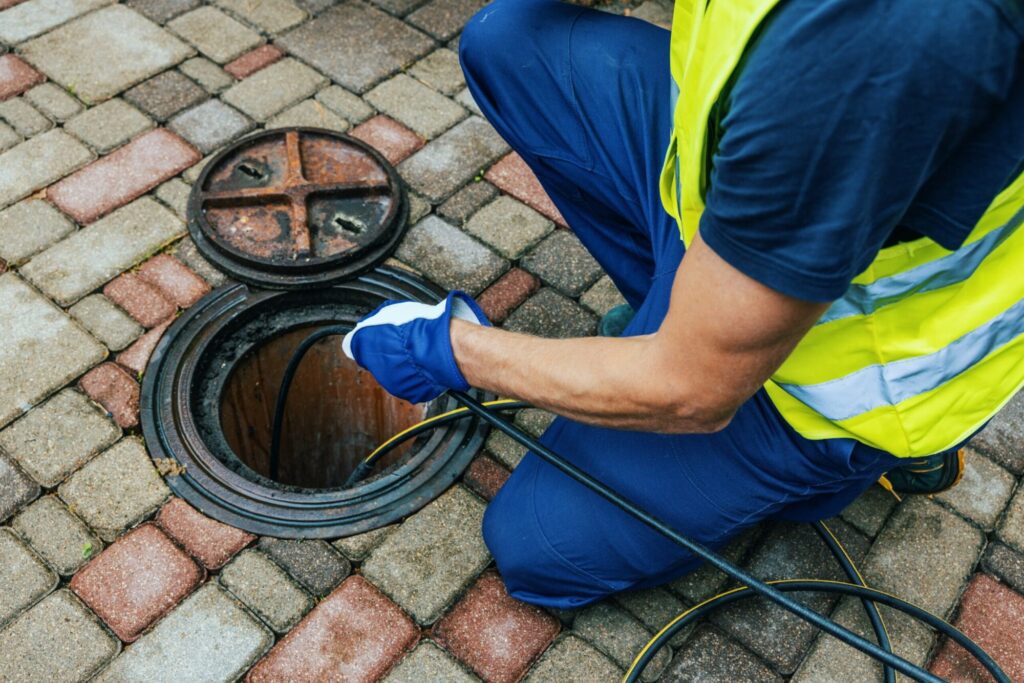
- Motorized Drain Augers
- High-torque machines with steel cables and rotating heads
- Capable of cutting through:
- Tree roots
- Hardened grease
- Scale deposits
Size Range:
- 3/8″ cable: for sinks and showers
- 5/8″ to ¾”: for main lines and toilet stacks
- Hydro Jetting
- Uses high-pressure water (2,000–4,000 PSI) to scour internal pipe surfaces
- No chemicals involved; clears organic material, FOG, and mineral buildup
- Requires a Jetter with:
- Foot-pedal control
- Nozzle matched to pipe diameter
- Inline backflow preventer
Jetting vs. Snaking: Jetting cleans the entire pipe wall, while snaking only creates a hole through the obstruction.
- Trenchless Repair (when cleaning reveals pipe failure)
- Pipe bursting: Replaces damaged sections without trenching
- Cured-in-place pipe (CIPP): Resin-coated liners inserted and cured within old pipes
VI. Preventative Drain Maintenance: Engineering-Based Solutions
- Fixture-Based Interventions
- Install hair strainers in all bathroom drains.
- Use backwater valves in basement floor drains to prevent sewer backup.
- Grease Interceptors
- For large households or frequent cooks, a grease trap under the sink captures FOG before it enters the plumbing.
- Water Softeners
- Reduces mineral scaling in hard water areas; minimizes formation of calcium and magnesium deposits.
- Annual Professional Cleaning
- Schedule annual or biannual professional drain cleaning, including hydro jetting and camera inspection, especially in homes over 30 years old or on slab foundations where access is limited.
VII. Cost vs. Risk: When to Invest in Pro Drain Cleaning
| Scenario | DIY Appropriate? | Professional Recommended? |
|---|---|---|
| Minor sink clog | ✅ | ❌ |
| Recurring clogs | ⚠️ (temp fix) | ✅ |
| Tree root intrusion | ❌ | ✅ |
| Sewer smell | ⚠️ | ✅ |
| Standing water in multiple fixtures | ❌ | ✅ |
| Suspected pipe collapse | ❌ | ✅ (inspection & trenchless repair) |
Conclusion
Drain cleaning is a vital component of residential plumbing maintenance. While minor clogs can often be resolved with home tools and preventative habits, advanced buildup, recurring obstructions, and main line issues demand professional drain cleaning solutions. With the right combination of DIY vigilance and professional intervention, you can preserve the longevity of your entire drain-waste-vent system.
Need help with inspection or jetting services? Consult a licensed plumbing professional who specializes in advanced diagnostics and hydro-mechanical cleaning techniques. A clean drain isn’t just about flow—it’s about protecting the infrastructure of your home.