
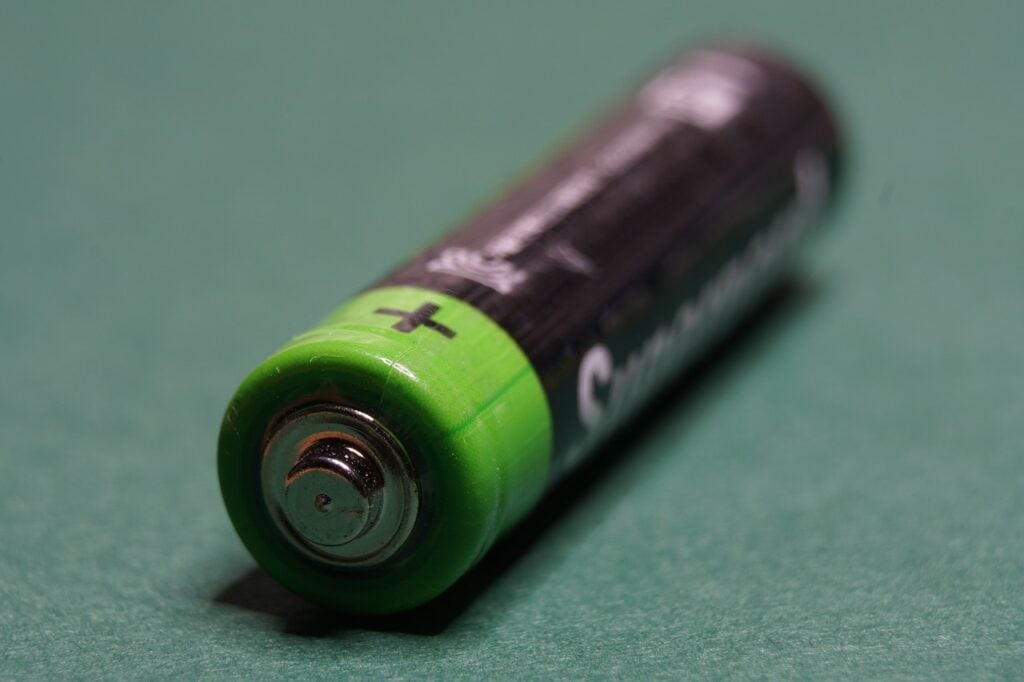
They are commonly used in many electronics that we use in our day-to-day lives for instance we have remote controls, smartphones, and flashlights right from cars to mention but a few. However, not all the batteries are the same in this regard. Knowledge of the types of batteries available in the market and their uses will assist a person to make the correct decisions hence getting the best out of the products. This guide will explain basic types of batteries available for use such as alkaline, lithium, rechargeable, and some of the more specialized batteries such as UM2 Battery together with how each type works and their application.
What Are UM2 Batteries?
Before diving into the general categories of batteries, it’s important to address specific types, such as UM2 batteries. These batteries, also known as C-cell batteries, are medium-sized cylindrical cells commonly used in devices like flashlights, radios, and certain types of toys. They are slightly larger than AA batteries but smaller than D-cell batteries, making them ideal for medium-power applications.
These are designed in both the alkaline and the recharging types to ensure that users are allowed the privilege of selecting depending on the power needs of the device in question. Although they might not be as commonly used as the aa or aaa batteries they remain valuable when it comes to powering devices that need a continuous supply of power.
Alkaline Batteries: Universal and Enduring
The most familiar type of disposable batteries are the alkaline batteries and they are most probably the type of battery that you are most likely to encounter in the market. The most common types of alkaline batteries include those which come in sizes AA, AAA, C, D, and 9 volts and the benefits associated with this battery include long shelf life, high capacity, and universality.
Key Features of Alkaline Batteries
- Versatility: These batteries can be used in a wide range of applications which include remote controls, clocks, flashlights, and toys among others.
- Long Shelf Life: Alkaline batteries are good for up to 10 years of storage depending on how you store them making them good for gadgets that are not frequently used.
- Affordable: This makes them easily accessible and more affordable as compared to some other appliances and this is probably why they are commonly used.
However, alkaline batteries are non-rechargeable batteries and can be disposed of once they have been depleted of power. If you still are or were often changing the batteries of devices, then it will be useful to switch to rechargeable batteries.
Lithium Batteries: High Performance and Durability
Lithium batteries are of very high performance, especially in devices that require high current such as digital cameras, mobile phones, and some medical equipment. They have superior capacity, longer durability, and higher performance during sub-zero temperatures than Alkaline ones.
Key Features of Lithium Batteries
High Energy Density: Lithium batteries provide more energy than alkaline batteries with the same volume, and therefore are perfect for the devices, which require much energy.
- Longer Lifespan: These batteries have a longer shelf life as well as a longer cycle of usage as compared to other batteries. Lithium batteries can be recharged up to 2,000 times some of them can hold the charge for up to 20 years.
- Lightweight: A major advantage when compared to Alkaline, rechargeable batteries, or even other portable power sources is that lithium batteries are relatively lighter.
The one major drawback of lithium batteries is that it is relatively expensive than the other types of batteries. Moreover, although they offer better performance than alkaline batteries, they are not always required for such low-power devices, for instance, remote controls, clocks, etc., where alkaline batteries can do the job as well.
Rechargeable Batteries: Sustainable and Cost-Effective
Rechargeable batteries are ideal for appliances that are often used like cameras, keyboards, and game controllers among others. They come in the same sizes as the disposables such as AA, AAA, C, D, and 9-Volt, and thus can be considered environmentally friendly because they can be recharged many times and over, unlike disposable batteries.
Key Features of Rechargeable Batteries
- Reusability: This is good since rechargeable batteries can be recharged and utilized many times as opposed to disposable batteries which can only be used once, and will prove expensive in the long run.
- Eco-Friendly: All in all it would be beneficial to opt for rechargeable batteries more than a series that disposes of batteries now and then on the landfills.
- Higher Initial Cost: The main disadvantage of rechargeable batteries is their cost, which is much higher than that of non-rechargeable batteries of a similar capacity; however, their ability to be recharged also translates to their ability to be reused multiple times, which typically proves to be more cost-efficient in the long run.
There are two main types of rechargeable batteries: Ni-cadmium (NiCd) nickel-metal hydride (NiMH) and lithium-ion (Li-ion).
Nickel-Metal Hydride (NiMH) Batteries
NiMH batteries are a popular type of rechargeable batteries and are employed for many home-use products such as flashlights, cameras, and toys. Nickel-metal hydride (NiMH) rechargeable batteries have a greater charge storage capacity than the earlier nickel-cadmium (NiCd) rechargeable batteries, for this reason, NiMH rechargeable batteries are more efficient.
- High Capacity: More capacitance can be found in NiMH batteries as compared to disposable batteries.
- Reduced Memory Effect: Unlike previous generations of rechargeable batteries, NiMH cells do not complain about the ‘memory effect”, which can be recharged at any time that the capacity is reduced.
Lithium-Ion (Li-ion) Batteries
Li-ion batteries are well-known portable applications including notebooks, cellular telephones, and cordless electric power tools. It can be delivered with a higher energy density, that is, takes more power in minimal space which is required by modern-day portable devices.
- Lightweight: One of the benefits of using Li-ion batteries is that they are relatively lightweight making it easy for portable gadgets.
- Longer Life Cycle: These batteries can hold comparatively a lot more charge and discharge cycles than NiMH batteries.
The main disadvantage associated with the use of rechargeable batteries is the presence of a separate charger that makes the first expense higher. But in the case of high-drain devices or those devices that are often utilized, rechargeable batteries are certainly worthy to be bought.
Button Cell Batteries: Small Power for Small Energy-Consuming Devices
Button cell batteries or coin cell batteries are small round-shaped batteries that are used in small appliances such as wristwatches, hearing aids, keyless entry systems, etc. It comes in several varieties; alkaline, silver oxide, and lithium battery types.
Key Features of Button Cell Batteries
Compact Size: Because of their small dimensions people use it in most miniaturized electronics devices.
- Low Power Output: Button cells are intended for low-power product devices that need a small amount of current at a steady rate.
- Long Shelf Life: It is because its performance does not degrade until it is put to use and these batteries can last for several years of usage meaning they are most suitable for products that are rarely used.
Despite their compact size, these are popular button cell batteries that are used in a vast number of devices; moreover, such batteries’ service life is rather long and it can take a long time between recharges.
Specialized Batteries: Meeting Specific Needs
Besides the readily known batteries found in our households there are those that are tailored for particular apparatus or use. They include car batteries, backup generators, solar systems, and among others.
Common Types of Specialized Batteries
- Car Batteries: These types of batteries are large lead-acid batteries that are intended to deliver the amount of current needed to crank up a car’s engine and to power up its electromagnetic systems at starting.
- Solar Batteries: Like batteries these systems are utilized coupled with solar panels to store energy from the sun and provide electricity when there is no sunlight.
- Deep-Cycle Batteries: While normal car batteries supply power over a short period cycle batteries are meant to supply constant power over long periods just like in the case of RVs, boats, and off-grid energy systems.
These types of batteries are as follows; Each of these specialized batteries has its purpose and is meant to provide the exact power that the target devices need.
Conclusion
Unfortunately, it is hard to know a battery’s ability to perform well until it is too late When you need to find the best battery for your gadgets, you must have some knowledge regarding the various kinds of batteries in the current market today. Whether the user requires the steady power, which is provided by UM2 batteries, the general-purpose versatility of the alkaline batteries, the long life cycle of lithium batteries, or the reusability of the rechargeable batteries, each type has its uses.
Different batteries offer different benefits and performances and selecting the correct battery will enhance the efficiency of devices and may be cost effective in the long run. Whether it is using rechargeables for the electronics that are used more often if you do not remember when you last charged that lamp or making sure your flashlight is always ready with quality UM2 batteries, knowing what is available keeps you ready.