
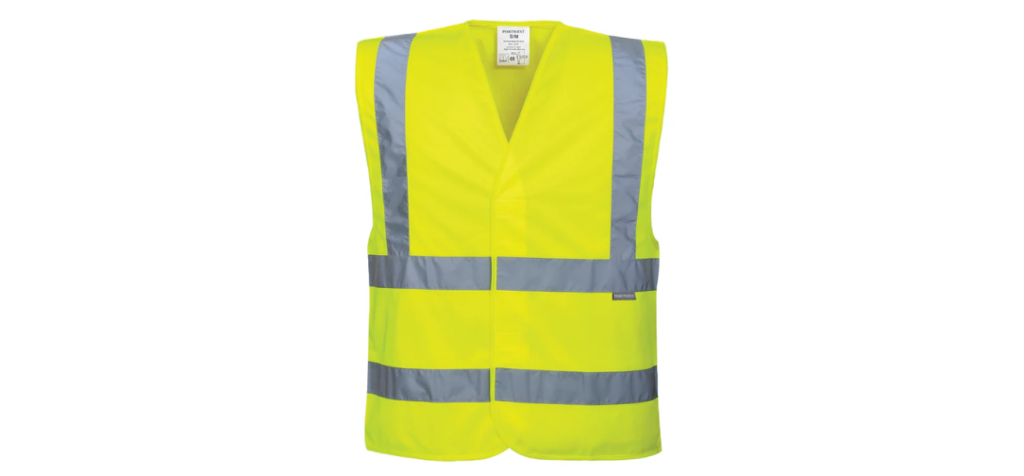
Safety vests are essential for maintaining visibility and preventing accidents on any job site, where safety is the primary concern. Choosing the appropriate safety vest is essential for those working in construction, road maintenance, or emergency services. This guide will walk you through the key considerations for the perfect safety vest, ensuring compliance and comfort.
1) What are the safety vest requirements of the job site?
The first step in purchasing a safety vest is to understand the specific requirements of your workplace. Different industries have unique standards and needs. For example:
- Construction workers often require high-visibility vests to stand out amid heavy machinery.
- Vests with reflective stripes and easy-on/off fasteners may be necessary for emergency responders to act quickly.
To ensure your choice follows safety regulations and company policies, consult with your manager or team lead.
2) Which visibility option is best for the work environment?
Visibility is a critical factor when selecting a safety vest. Depending on your work environment, you may need the following:
- High visibility vests: Bright colors like neon yellow, orange, or lime green are ideal for daytime visibility.
- Reflective vests: These are equipped with reflective strips that enhance visibility in low-light conditions.
Ensure the vest provides the visibility level necessary for your job site, whether in bright sunlight, fog, or at night.
3) What ANSI standards should safety vests meet?
Safety vests must meet ANSI (American National Standards Institute) compliance standards to ensure optimal safety. There are three primary ANSI classes to consider:
- Class 1: suitable for low-risk environments, such as parking attendants.
- Class 2: designed for areas with moderate traffic or hazards, commonly found in construction zones.
- Class 3: provides the highest level of visibility for high-risk environments, such as road crews working in high-speed areas.
Check with your supervisor or safety officer to confirm which ANSI compliant safety vest is required for your role.
4) How do I choose the right fabric for a safety vest?
Selecting the appropriate material can have an impact on your performance and comfort.
- Lightweight vests are ideal for warm climates or indoor work environments.
- Insulated vests provide added warmth for cold or windy conditions.
- Breathable fabrics help to regulate temperature in hot and humid weather.
- Flame-resistant vests help protect against burns by self-extinguishing when exposed to fire.
The weather and temperature at your job site will help you select a vest that provides the ideal level of breathability or insulation.
5) What features should I look for in a safety vest?
Safety vests come with various features to suit different needs. Consider the following options:
- Pockets: Useful for carrying small tools, ID cards, or notepads.
- Closures: Options include zippers, velcro, or snaps for secure and comfortable wear.
- Customization: Some suppliers offer custom safety vests, allowing you to add logos, names, or department information for easy identification.
A black safety vest with strings can offer a sleek, professional appearance while ensuring visibility for those seeking niche options.
6) How to ensure a proper fit for a vest?
A safety vest should not only meet visibility standards but also fit comfortably. Oversized vests can hinder movement, while undersized ones may feel restrictive. Most manufacturers provide size charts—refer to these to find the perfect fit for your body type.
7) Which safety vest best suits the industry’s requirements?
Finally, ensure your safety vest aligns with the specific needs of your industry. For example:
- Construction vests must withstand rugged conditions and provide ample visibility.
- Road work vests should include reflective strips to enhance visibility near traffic.
- Utility worker vests often require multiple pockets for tools and equipment.
- Emergency service vests must be easy to don quickly during critical situations.
Choosing the right safety vest involves balancing compliance, visibility, comfort, and functionality. Whether you need a high-visibility vest, a reflective vest, or one with additional features like pockets, following these guidelines will help you make an informed decision.
Remember, investing in the correct safety vest is an investment in your well-being. Partner with reliable safety vest suppliers that provide ANSI-compliant vests with customization options tailored to your requirements. By taking these steps, you will create a safer and more efficient work environment.
Stay visible. Stay safe.