
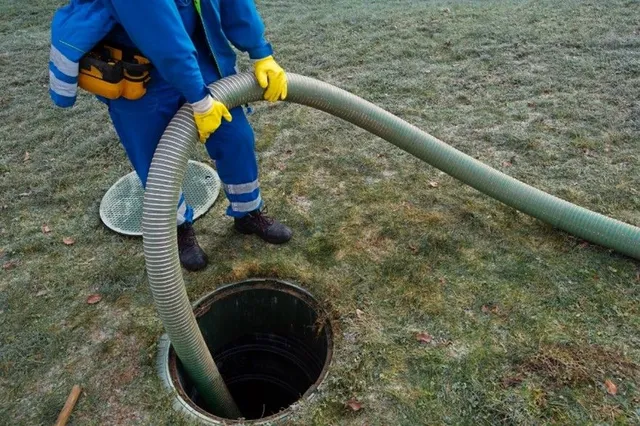
When everything is running smoothly in a home or building, most people don’t think twice about the systems working behind the scenes — especially the sewer lines. These underground pipes carry waste and wastewater from your property to the main city sewer or septic system. While often ignored, they are crucial to daily sanitation, hygiene, and environmental safety. When a problem arises, sewer line repair can quickly go from a minor inconvenience to a significant and urgent issue.
This comprehensive guide will help you understand how sewer lines function, why they fail, how to spot early warning signs, and what your repair options are. Whether you’re a homeowner, property manager, or business owner, being informed can help you respond quickly and effectively when a sewer issue strikes.
The Role of Sewer Lines in Your Property
Your sewer line is the main artery for all wastewater that leaves your sinks, toilets, showers, washing machines, and other plumbing fixtures. It connects your property’s internal plumbing to either a municipal sewer system or a septic tank, depending on your location and setup.
Sewer lines are typically buried underground and made from materials such as clay, cast iron, PVC, or ABS. These materials are chosen for durability, but no system lasts forever. Age, ground movement, tree roots, poor installation, and material degradation can all lead to damage or collapse.
Common Causes of Sewer Line Problems
Understanding what leads to sewer line damage is key to preventing costly repairs. Here are the most common culprits:
1. Tree Root Infiltration
Tree roots naturally seek out moisture and nutrients. Cracks or loose joints in your sewer line create the perfect opportunity for roots to invade. Once inside, roots grow quickly, causing blockages or even pipe collapse.
2. Aging and Corrosion
Older sewer lines, especially those made of cast iron or clay, are prone to rust, deterioration, and eventual failure. Over time, the walls of the pipes thin out or become brittle, increasing the risk of breaks.
3. Ground Shifting or Settlement
Natural soil movements, construction work nearby, or foundation shifts can put pressure on sewer lines, leading to cracks or misalignments.
4. Clogs from Improper Waste Disposal
Grease, paper towels, sanitary products, and other non-flushable materials can cause clogs. Over time, these clogs can lead to backups or burst pipes.
5. Poor Initial Installation
If the original sewer line was not installed to proper standards or without adequate slope, it can lead to recurring drainage issues.
Each of these causes may result in the need for sewer line repair, especially if left unaddressed.
Warning Signs of a Damaged Sewer Line
Sewer line issues rarely happen overnight. Most of the time, they give off warning signs that something is going wrong. Here’s what to watch for:
- Frequent Drain Backups: If multiple drains clog at once or you experience frequent toilet backups, the problem may be in the main sewer line.
- Gurgling Sounds: Strange noises from toilets or drains can signal air pockets in the pipes, often caused by blockages.
- Sewage Odors: Unpleasant smells inside or outside your property often indicate a crack or break in the line.
- Slow Drains: Water draining slowly in multiple areas could suggest a blockage beyond the local pipes.
- Lush Patches in the Yard: If one area of your yard is unusually green or soggy, a leaking sewer pipe may be providing unintended “fertilizer.”
- Foundation Cracks or Sinkholes: Advanced sewer damage can cause soil erosion that affects your foundation.
Early detection of these symptoms can prevent severe structural damage and expensive restoration efforts. That’s why regular inspection and timely sewer line repair are critical.
Sewer Line Inspection Techniques
Before any repair work begins, a proper diagnosis is necessary. Professional plumbers often use specialized tools to assess the situation:
– Video Camera Inspection:
A high-definition camera is inserted into the sewer line, allowing the technician to see real-time footage of the pipe’s interior. This helps locate the blockage or damage with pinpoint accuracy.
– Smoke Testing:
This method introduces non-toxic smoke into the sewer system to detect leaks. If smoke escapes from the ground or structure, there’s a break in the line.
– Hydrostatic Testing:
Water is used to test pressure and integrity, identifying weaknesses in the pipe walls.
These inspections help determine the most appropriate course of action, whether that’s a simple fix or a full sewer line repair.
Sewer Line Repair Options
Once a problem is identified, the next step is deciding how to fix it. The repair method depends on the severity and location of the damage.
1. Traditional Excavation
This is the most straightforward method, involving digging a trench to expose the damaged pipe. It’s highly effective but can be disruptive, especially if the line runs under a driveway, garden, or sidewalk.
Pros:
- Complete access to the damaged area
- Suitable for collapsed or severely damaged lines
Cons:
- High labor cost
- Significant disruption to landscaping and property
2. Trenchless Repair
A less invasive technique that repairs or replaces the pipe without extensive digging. Two popular trenchless methods are:
- Pipe Lining (Cured-In-Place Pipe or CIPP): A flexible liner coated with resin is inserted into the existing pipe, inflated, and cured in place to form a new pipe within the old one.
- Pipe Bursting: A new pipe is pulled through the old one, which is simultaneously broken apart and replaced.
Pros:
- Minimal disruption
- Faster completion time
- Long-lasting results
Cons:
- May not be suitable for severely collapsed lines
- Slightly higher initial cost than traditional methods
Choosing between these options depends on budget, urgency, and the condition of the existing infrastructure. A professional plumber can guide you to the most cost-effective and durable solution.
Preventative Maintenance for Sewer Lines
You can extend the lifespan of your sewer line and avoid frequent sewer line repair with proactive maintenance. Here’s how:
- Avoid Flushing Non-Flushables: This includes wipes (even those labeled “flushable”), grease, diapers, and feminine hygiene products.
- Use Drain Screens: Catch hair, food particles, and other debris before they enter the plumbing system.
- Tree Placement: Don’t plant large trees near sewer lines. If you already have them, consider installing root barriers.
- Routine Inspections: Annual or biennial video inspections can detect minor issues before they become major problems.
- Hydro Jetting: This method uses high-pressure water to clean the interior of sewer lines, clearing out grease and buildup.
Spending a little on maintenance can save thousands in emergency repair costs down the road.
Costs Involved in Sewer Line Repairs
The cost of a sewer line repair project can vary widely depending on several factors:
- The extent of the damage
- The length and depth of the affected pipe
- Soil condition and pipe accessibility
- Repair method (trenchless vs. excavation)
- Local labor rates
On average, minor repairs may cost a few hundred dollars, while full replacements can range from $3,000 to $15,000 or more. While trenchless methods may seem expensive upfront, they often prove more economical when landscaping, time, and long-term performance are considered.
To avoid surprise expenses, always get a detailed estimate and understand what is included — from diagnostics and labor to restoration and cleanup.
Final Thoughts
Sewer line issues are among the most disruptive and unpleasant plumbing problems a property owner can face. However, with the right information and a proactive approach, these problems can be managed effectively and affordably.
Knowing the signs of trouble, understanding the causes, and choosing the appropriate repair method can make all the difference between a minor inconvenience and a major disaster. Whether you’re dealing with an urgent issue or just want to protect your home for the future, sewer line repair is not something to take lightly.
Acting quickly when you suspect a problem — and investing in regular maintenance — can help you avoid costly repairs, preserve property value, and ensure peace of mind. When in doubt, consult a licensed plumbing professional who can guide you through diagnostics, explain your options, and complete the job safely and efficiently.