
Looking to expand your business internationally? Trade finance is the backbone that supports and facilitates global business dealings. For those just stepping into this arena, understanding the role of trade finance is key to smoothly conducting international transactions. And, central to this process are banks, serving as crucial facilitators and supporters in the world of global trade.
This beginner’s guide is designed to demystify the role of banks in trade finance. We’ll explore how these financial institutions help businesses overcome the unique challenges of international trade. From ensuring payment security to managing currency exchanges, banks play a multifaceted role that keeps the wheels of global commerce turning.
What is Trade Finance?
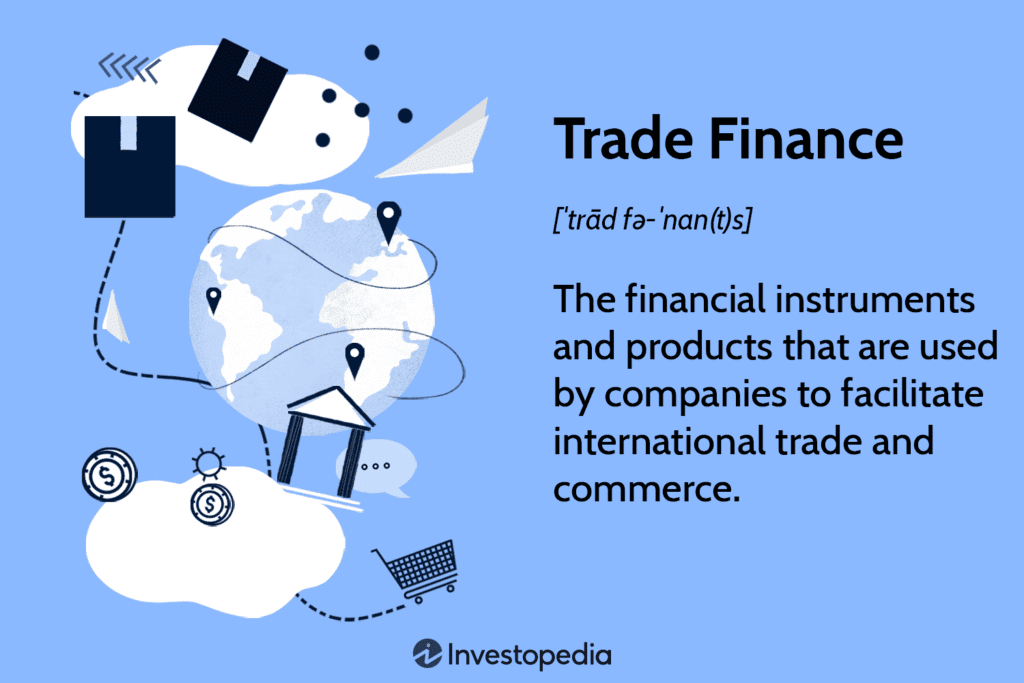
At its core, trade finance represents the financial instruments, products, and services that enable international trade to take place. Think of it as the oil that keeps the engine of global commerce running smoothly. Without trade finance, the complex web of international buying and selling would be a lot riskier and less efficient.
So, why is trade finance so crucial? The main reason is risk mitigation. When you’re dealing with a business partner halfway across the world, whom you may have never met, trust becomes a precious commodity. Trade finance helps bridge this trust gap. It offers a safety net, ensuring that sellers receive their payments and buyers get their goods as promised. This security is vital in a landscape where deals can span different countries, legal systems, and cultures.
Another key aspect of trade finance is providing liquidity. In simple terms, liquidity is about having enough cash flow to keep things moving. Imagine a scenario where a seller needs to ship goods overseas but hasn’t received payment yet. Or a buyer who needs to pay upfront to secure a purchase. Trade finance steps in to ensure that money is available when and where it’s needed. This could be through loans, credit lines, or other financial arrangements. By doing so, it helps businesses maintain their operational flow without getting bogged down by cash constraints.
The Role of Banks in Trade Finance
In international trade, banks play a pivotal role as intermediaries in numerous ways.
Providing Letters of Credit
Banks issue something called a “letter of credit,” which is essentially a financial guarantee. It tells the seller, “If you meet specific conditions, like delivering the goods as promised, we’ll ensure you receive your payment.” This reassures sellers and builds trust in the transaction.
Offering Trade Credit
Banks also assist buyers by offering “trade credit.” Think of it as a short-term loan. Buyers can purchase goods and defer payment until a later date, often with a bit of interest. This flexibility allows businesses to manage their finances more effectively.
Facilitating Currency Exchanges
International trade often involves dealing with different currencies. Banks handle this complexity by providing currency exchange services. They ensure that you have the right amount in the correct currency, simplifying the process of paying foreign suppliers.
Managing Risks
International trade can be risky due to factors like political instability or unexpected delays. Banks step in to manage these risks. They offer financial instruments and insurance options to safeguard both buyers and sellers from unforeseen setbacks.
Documentary Collection
Banks streamline the exchange of shipping documents and payments. They act as intermediaries to ensure that goods are released only when payment is made or accepted, reducing the risk of fraud or disputes.
Advisory Services
Banks provide valuable guidance to businesses involved in international trade. They can help you understand the regulations of foreign markets, navigate complex customs procedures, and optimize your trade finance strategies.
Key Trade Finance Instruments Offered by Banks
In international trade, banks offer a range of essential tools that help facilitate transactions and mitigate risks.
1. Letters of Credit (LCs)
Letters of Credit are like financial safety nets for buyers and sellers in international trade:
- Agreement: When a buyer and seller agree on a trade, specifying details like the goods, price, and delivery terms.
- LC Issuance: The buyer’s bank issues an LC, promising to pay the seller if the seller fulfills the agreed-upon conditions. This assures the seller of payment.
- Exporter Shipment: The seller ships the goods to the buyer and provides necessary documents to their bank.
- LC Examination: The seller’s bank reviews the documents to ensure they match the LC’s terms. If they do, the documents are forwarded to the buyer’s bank for payment.
- Payment: The buyer’s bank verifies the documents and makes the payment to the seller if they meet the LC requirements.
2. Bank Guarantees
Bank guarantees provide security in trade transactions and come in different forms:
- Performance Guarantees, which ensure that parties fulfill their contractual obligations, such as timely delivery or payment.
- Bid Bonds, which are used in competitive bidding processes, guaranteeing that the winning bidder will carry out the contract.
- Advance Payment Guarantees, which protect buyers by guaranteeing a refund if the seller doesn’t deliver as promised.
3. Documentary Collections
Documentary collections simplify trade transactions:
- The seller ships goods and provides shipping documents to their bank.
- The seller’s bank forwards the documents to the buyer’s bank, requesting payment or acceptance of a deferred payment arrangement.
- The buyer’s bank informs the buyer of the documents and their payment or acceptance obligation.
4. Bills of Exchange
Bills of exchange establish payment schedules in trade agreements. These are written orders, similar to IOUs, where one party promises to pay another party a specified amount on a particular date.
Risk Management in Trade Finance
International trade can be fraught with risks, from economic and political instability to non-payment by trading partners. Banks play a critical role in helping businesses assess and manage these risks effectively.
Banks employ various strategies to evaluate and mitigate risks:
- Credit Analysis: Banks assess the financial health and history of trading parties to determine their creditworthiness, reducing the risk of defaults.
- Country Risk Assessment: Banks evaluate the stability of countries involved in trade, considering factors like exchange rates and geopolitical issues to anticipate and mitigate potential risks.
Risk Mitigation Tools
Banks offer tools to minimize trade-related risks which we’ve already covered in the above section, but to quickly summarize again:
- Letters of Credit (LCs): LCs provide a secure payment mechanism, ensuring sellers receive payment upon fulfilling certain conditions, mitigating the risk of non-payment.
- Bank Guarantees: These guarantees protect against non-performance or non-payment, providing assurance to both buyers and sellers.
- Trade Credit Insurance: Banks offer trade credit insurance to cover losses from non-payment or unforeseen circumstances, reducing financial risk.
- Documentary Collections: Banks oversee the exchange of documents, reducing the risk of fraudulent or non-compliant transactions.
Hedging Instruments
Banks provide hedging instruments like forward contracts and options to help businesses hedge against unfavorable currency exchange rate movements, ensuring predictable costs and revenues.
Advisory Services
Banks offer advisory services, providing insights into market conditions, regulatory compliance, and risk management strategies, empowering businesses to make informed decisions.
Choosing the Right Banking Partner for Trade Finance
Selecting the ideal banking partner for your trade finance needs is a critical decision in the world of international trade, and could certainly be the topic of it’s own article. In short, we recommend you look for banks with:
- International reach
- Clear expertise in trade finance
- Customised solutions to match your needs
- Amazing customer support
Taking this step toward international growth for your business should be done with the perfect broker or banking partner, so don’t rush this step. Take time, really assess who you will be collaborating with, and make a choice that will be best for you.