Pain is one of the most common health issues people experience, ranging from mild headaches to chronic conditions affecting daily life. Because of this, many people search for ways to manage discomfort, and terms like “Buy pain relief” often appear in online research. However, understanding how pain relief works, the types available, and how to use them safely is essential for making informed decisions about health and wellness.
This article provides an educational overview of pain relief medications, their uses, risks, and the importance of responsible care.
What Is Pain Relief?
Pain relief refers to treatments or medications that reduce or manage discomfort caused by:
- Injury
- Surgery
- Chronic medical conditions
- Inflammation
- Nerve disorders
- Muscle tension
Pain can be acute (short-term) or chronic (lasting for months or longer), and the type of treatment recommended depends heavily on the cause and severity.
Common Types of Pain Relief Medications
Pain relief medicines fall into several major categories. Each works differently and is used for specific types of pain.
1. Non-Opioid Pain Relievers
Acetaminophen (Paracetamol)
- Used for headaches, fever, and general pain
- Does not reduce inflammation
- Overuse can harm the liver
NSAIDs (Non-Steroidal Anti-Inflammatory Drugs)
Examples: ibuprofen, naproxen, aspirin
- Help reduce pain, swelling, and inflammation
- Useful for injuries, menstrual cramps, joint pain
- Can irritate the stomach or affect kidney function with long-term use
These are the most commonly purchased over-the-counter medicines when people look to “Buy pain relief” options legally and safely.
2. Opioid Pain Relievers (Prescription Only)
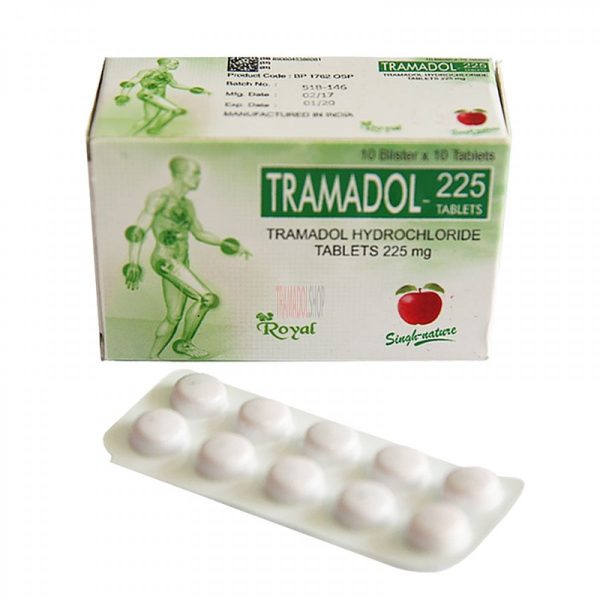
Examples: codeine, tramadol, morphine, oxycodone
Used for:
- Post-surgical pain
- Severe injury
- Cancer-related pain
Risks:
- Dependence or addiction
- Drowsiness
- Breathing problems if misused
These medications should only be used under strict medical supervision.
3. Topical Pain Relief
Examples:
- Creams
- Gels
- Patches containing menthol, lidocaine, or anti-inflammatory ingredients
Useful for:
- Muscle soreness
- Joint pain
- Localized inflammation
These provide targeted relief with fewer side effects compared to oral medications.
4. Adjuvant Pain Relief (Supportive Medications)
These are not traditional painkillers but can help manage specific types of chronic pain.
Examples:
- Antidepressants for nerve pain
- Anti-seizure medications for neuropathy
- Muscle relaxants for tension or spasms
Doctors often combine these with other treatments for long-term pain management.
When to Consider Pain Relief Medication
Pain relief may be appropriate for:
- Injuries
- Fever
- Muscle aches
- Migraine
- Arthritis
- Back pain
- Menstrual cramps
However, persistent or severe pain should always be evaluated by a healthcare professional to rule out underlying conditions.
Safety Tips for Using Pain Relief Medications
Many people search online to learn about medications before they “Buy pain relief,” but safety should always be the top priority.
Key guidelines:
- Follow dosage instructions carefully
- Avoid combining multiple medications without guidance
- Do not exceed daily limits
- Avoid alcohol when taking pain medication
- Consult a doctor before using pain relief long-term
- Discuss any allergies or medical conditions with a healthcare provider
Misuse can lead to serious health issues, including liver damage, stomach bleeding, or medication dependence.
Alternative and Complementary Pain Relief Options
Medication is not the only approach. Other methods can help reduce discomfort, such as:
- Physical therapy
- Heat/cold therapy
- Light exercise
- Massage
- Stretching
- Mindfulness or relaxation techniques
Many doctors recommend combining medication with lifestyle or therapeutic practices for the best results.
When to Seek Medical Attention
Seek professional help if you experience:
- Severe pain that doesn’t improve
- Pain after an injury or accident
- Chest pain
- Persistent fever
- Unexplained swelling
- Side effects from medication
Timely medical evaluation can prevent complications and ensure the right treatment plan.
Conclusion
Pain relief plays an important role in managing discomfort and improving quality of life. While many people search for ways to Buy pain relief, understanding the types of medications available, their risks, and the importance of safe use is essential. Always prioritize medical guidance, responsible usage, and awareness of the underlying cause of pain.