
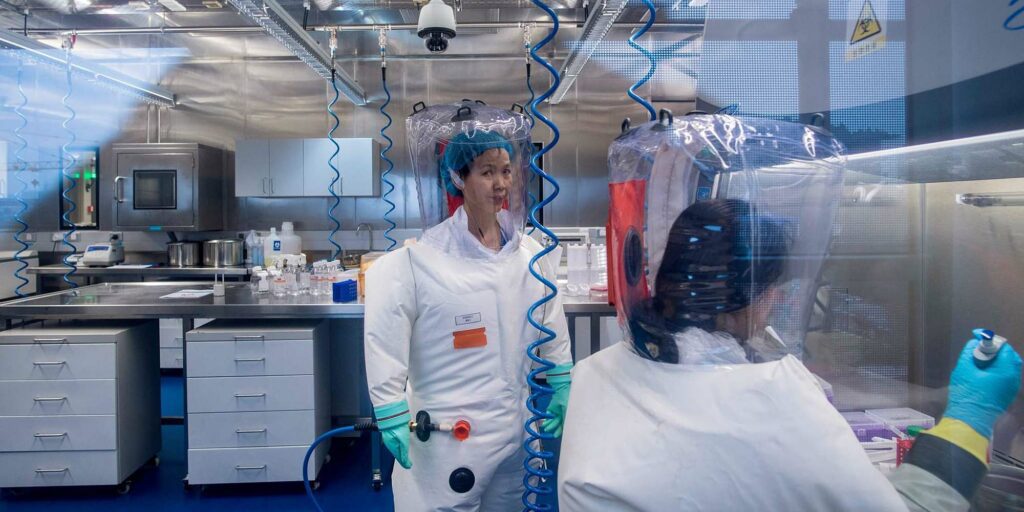
Workplace safety should always be at the top of any biotech researcher’s list of priorities. With looming deadlines and daily tasks to complete, it can be too easy to overlook safety protocols and procedures in the wet lab. However, the safety hazards and risks involved in many biosafety laboratories can be serious and may have far-reaching consequences on the health and safety of not just the workers but also the environment and the general public.
What Are Biosafety Levels in Laboratories?
Biosafety refers to the safety precautions and standards observed by lab workers to mitigate the risks associated with handling pathogens, toxins, and other potentially dangerous materials or substances that are considered biologically hazardous. Exposure to these hazardous agents is controlled or eliminated by following safety guidelines and procedures that are typically recommended by relevant government agencies. In Singapore, for example, the regulating body is the Ministry of Health. They evaluate the risk profile of each laboratory and certify the facilities according to parameters that are, in turn, based on the recommendations by the World Health Organisation and the local requirements of the Biological Toxins and Safety Act (BATA).
Internationally, 4 levels of biosafety laboratories are typically recognised by regulation bodies. These are:
- BSL-1 or Biosafety Level 1 Laboratory. These laboratories are used to study non-infectious agents or toxins that pose minimal hazards to workers and the public.
- BSL-2 or Biosafety Level 2 Laboratory. Facilities classified under BSL-2 may house toxins or infectious agents and organisms that could affect the health of the workers when inhaled, swallowed, or exposed to the skin.
- BSL-3 or Biosafety Level 3 Laboratory. Pathogenic agents and toxins studied in BSL-3 labs may cause infections via air transmission. That’s why in these facilities, airflow is strictly controlled with filtered ventilation systems for safety.
- BSL-4 or Biosafety Level 4 Laboratory. The highest lab classification is reserved for facilities that study deadly pathogens and diseases with no known vaccines or therapies. Here, very strict safety protocols are observed, involving the use of full-body suits with air hoses and high-pressure chambers. Working in these labs requires additional training to ensure the risk of contamination is minimised.
This article will focus on the typical safety requirements for biosafety level 2 laboratories to give you an idea about what to look for when considering a co-working wet lab with a BSL-2 certification or when you want to establish your own lab for your biotech firm’s private use.
PPE or Personal Protective Equipment
Wearing the proper PPE is one of the basic safety protocols that every laboratory should implement. PPE refers to protective garments and articles that shield the individual wearing them from hazardous agents. There are a variety of PPEs for the face and body, using different materials and standards of quality. What you need will depend on the kind of work that you do and the level of exposure to hazards you expect to be subjected to.
For BSL-1 to 2 laboratories, these PPEs should be available for the workers to use:
- Eye Protection. Lab workers may wear safety glasses or safety goggles to protect their eyes from splashes, flying debris, dust, and impacts. These safety glasses are different from the usual glasses. They are made from impact-resistant material with extended side protection to cover the eyes from all angles. However, if the worker is wearing glasses, they should use safety goggles that are designed to accommodate their prescription glasses.
- Face Protection. A full face shield can be used instead of safety eyewear. In laboratories, a full-face shield is also recommended for splash and impact protection. For radiation hazards, however, a special radiation face mask should be used.
- Hand Protection. In choosing gloves for laboratories, you should consider not just the chemical and biohazard exposure but also temperature extremes. Pay attention to the material of the gloves to avoid allergy risks and ensure that you are getting the right gloves for specific lab work. Be aware that some gloves for high temperatures may not provide enough protection against exposure to pathogens.
- Body Protection. In general, there are 3 kinds of body protection that the lab should provide: gowns, aprons, and coveralls. They protect your clothes and body from spills and splashes that could be harmful to the touch. Moreover, these PPE also protect your samples from contamination from your street clothes.
Hand Washing Sinks
To keep your hands free from contamination, a hand wash sink with running water should always be present in a BSL-1 to 2 labs. Laboratory sinks are made from durable materials such as epoxy resin or thick stainless steel that can withstand chemical exposure without degrading.
Eye Washing Stations
Stand-alone eye washing stations should be strategically placed all over the laboratory floor with a steady supply of clean water in case of accidental eye exposure. Since the first 10 to 15 seconds of exposure are critical, the injured worker needs to wash off the hazardous substance from their eyes immediately. To contain the contamination, this special sink should not plumb through the regular pipes.
Emergency Shower Stations
Similar to eye wash stations, emergency shower stations are used to rapidly decontaminate the whole body. They are also useful for extinguishing fires from clothing.
Fire Blanket
In case a worker catches fire during an experiment, a fire blanket may be used to smother the flames. This safety equipment should be placed in easily accessible storage areas all around the lab facility.
Fire Extinguisher
As with any business establishment, a fire extinguisher is a safety requirement to prevent fire from spreading. This should be regularly inspected and maintained to ensure that it’s in good working condition. Moreover, regular training in the use of the fire extinguisher should be done to prepare workers to use the fire extinguisher during fire emergencies.
Biohazard Waste Colour-Coding
Singapore, known for its efficient garbage disposal, imposes strict rules about colour-coding biohazard waste. Cytotoxic waste should be disposed of in purple bags, while radioactive waste should be safely contained in red bags. These hazardous wastes are only handled by specially licensed biohazardous waste collectors.
Contaminated Sharps Disposal Unit
In some studies and experiments, sharps or objects used for piercing or cutting will get contaminated and will require disposal. As they can puncture and compromise normal garbage bags, they need to be safely disposed of in puncture-resistant containers and labelled with the universal biohazard symbol. As with all other biohazardous waste, these will be handed over to licensed biohazardous waste collectors for proper disposal.
Finding your ideal co-working BSL-2 laboratory should take into consideration these safety requirements. It’s not enough that the place is aesthetically pleasing, these co-working labs should be functional and safe for working as well. It also helps to know these requirements when building your own lab. After all, it’s not just about safety compliance; more importantly, it’s about the health and well-being of the people working in the lab.