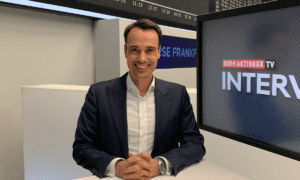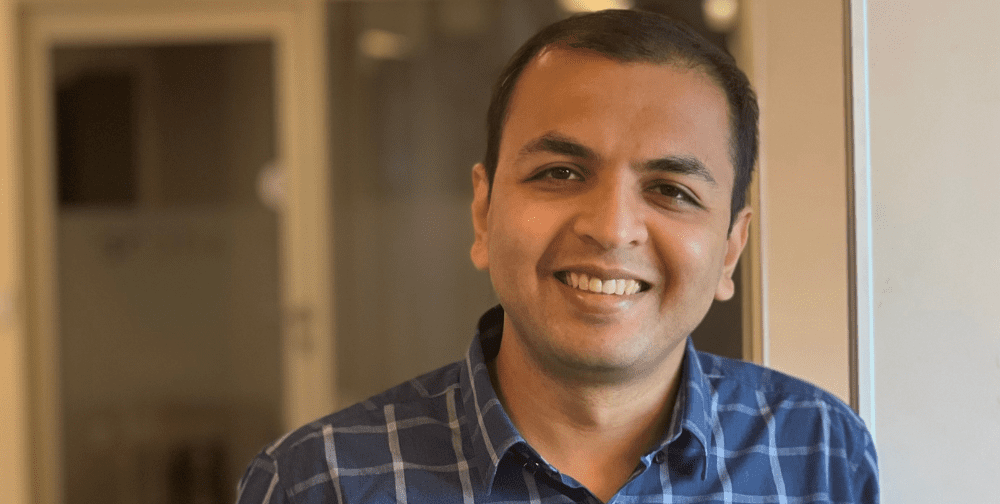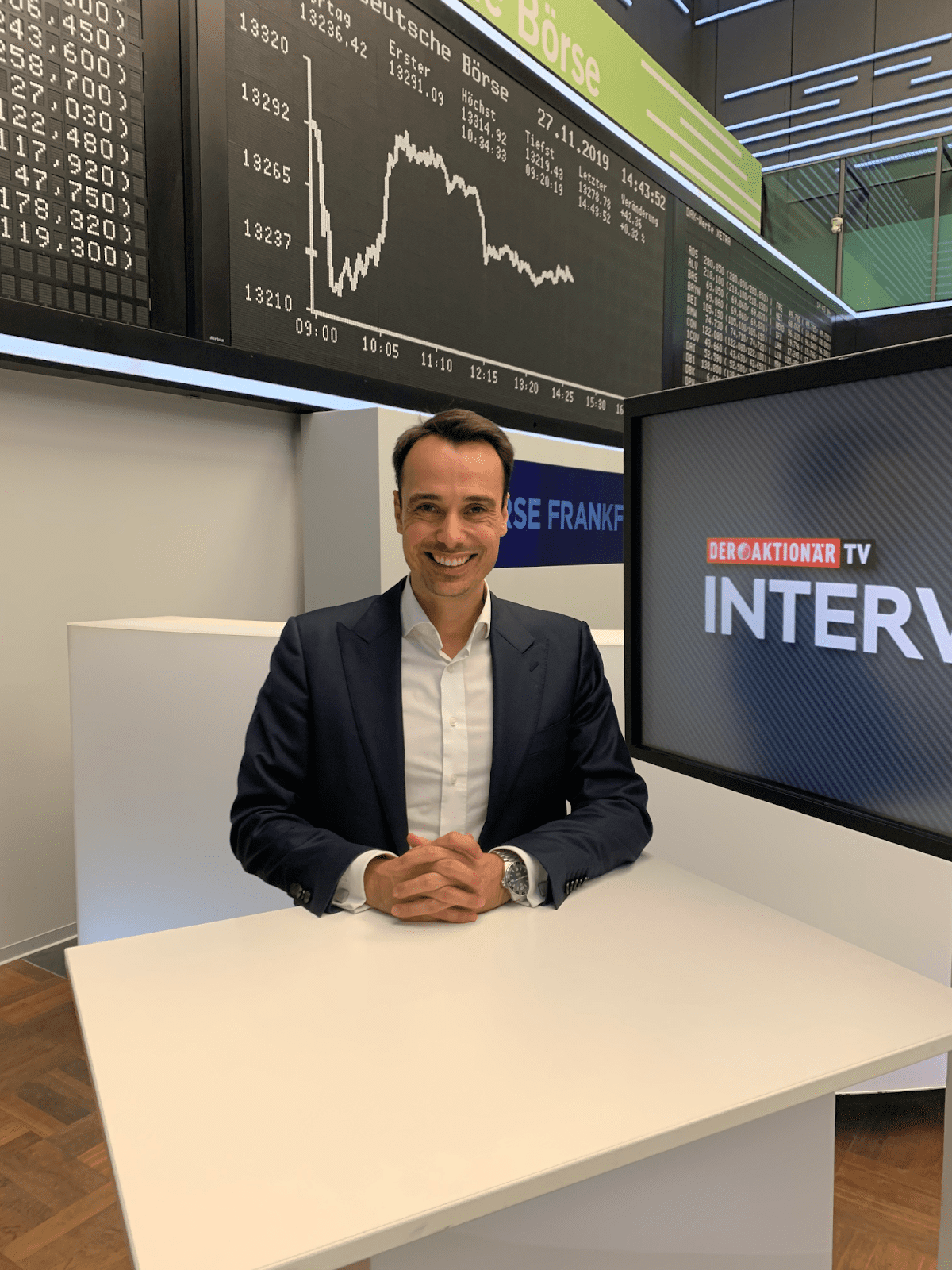
In an era marked by mounting fiscal uncertainty, geopolitical strain, and rapidly eroding trust in traditional banking systems, investors across Europe are reassessing how and where they safeguard their wealth. Against this backdrop, 499X Capital has emerged as an unconventional but increasingly compelling structure, one that blends the legal stability of a German GmbH with the global diversification typically reserved for sophisticated family offices. In this in-depth conversation, Dr. Christoph Lymbersky explains how 499X Capital’s shareholder-driven model works, why it appeals to crisis-conscious investors, and what makes its approach fundamentally different from conventional funds or private banking solutions.
Interviewer: Dr. Lymbersky, can you walk us through the core structure of 499X Capital and explain how it differs from traditional investment vehicles?
Dr. Christoph Lymbersky: Sure. At its heart, 499X Capital is a straightforward German GmbH—a limited liability company—where investors buy shares directly and become actual shareholders. It’s not a fund, not a trust, just a normal company. The twist is that this GmbH acts as a holding vehicle: it pools the capital from up to 499 private shareholders and unlimited institutional investors and deploys it entirely into assets outside the eurozone. We’re talking cash-flowing real estate in for example, Dubai and South Africa, U.S. growth stocks, physical gold and silver in Swiss and Singapore vaults, a bit of Bitcoin and crypto projects in cold storage, and Swiss-franc cash reserves. The company manages everything worldwide, with a laser focus on resilience—meaning the portfolio is built to weather crises like inflation spikes, currency crashes, capital controls, or even geopolitical upheavals. Shareholders get quarterly dividends from the rents and stock payouts, and because it’s a GmbH, you have real ownership rights: voting, information access, and the ability to sell or pass on your shares.
Interviewer: Why do you believe this shareholder model is a good idea for investors right now, especially those concerned about economic instability?
Dr. Christoph Lymbersky: It’s a great idea because it flips the script on vulnerability. In uncertain times—like the ones we’re seeing with Europe’s debt burdens, U.S. fiscal risks, and global tensions—traditional savings or funds keep your money trapped in the same shaky systems. With 499X, you’re essentially outsourcing the risk: your shares stay in a rock-solid German legal framework for protection and familiarity, but the actual wealth is already diversified abroad in hard, income-generating assets. It’s like having a European passport for your capital but living in safer neighborhoods. For investors worried about sustaining crises, this means your dividends keep flowing even if banks freeze or currencies devalue—because the income comes from places like Dubai rents or U.S. dividends, not eurozone bonds. Plus, with the cap at 499 shareholders, we stay private, avoiding the regulatory headaches that bog down bigger funds.
Interviewer: How exactly does the process work for someone interested in becoming a shareholder?
Dr. Christoph Lymbersky: It’s deliberately simple and transparent. First, you go through our vetting: we check that you fit our long-term, conservative profile—no speculators. Then, you sign a subscription agreement and wire funds to our bank account. In return, you get allocated shares in the GmbH, prorated to your investment—minimum is €1,000, but most come in a lot higher. The company immediately invests the capital into our diversified portfolio, which is managed by a small team with decades of experience in international assets. You can choose to reinvest part of the cash flows to grow your holdings organically, and every quarter, you receive dividends directly to your chosen account—could be Swiss, Emirati, or wherever. If you ever want out, we facilitate secondary sales among shareholders or approved buyers. The whole setup is audited annually under German standards, so you always know where things stand.
Interviewer: Investors often turn to ETFs for diversification. How does 499X Capital compare, and why might it be a better choice?
Dr. Christoph Lymbersky: ETFs are fine for everyday investing—they’re cheap, liquid, and track markets well. But in a real crisis? They’re vulnerable: most are domiciled in the EU or U.S., so they’re exposed to the same capital controls, devaluations, or forced sales that we’re trying to escape. Plus, ETFs don’t generate reliable income independent of market ups and downs; they’re more about capital appreciation, which evaporates in downturns. With 499X, you’re not betting on indices—you own a slice of a company with tangible, cash-flowing assets that keep paying dividends through thick and thin. We’re better for crisis-proofing because our structure adds layers of protection: non-EU assets, no redemption pressures, and built-in scarcity from the shareholder cap, which could drive up share values over time. It’s active resilience versus passive exposure.
Interviewer: What about the tax implications? How are dividends treated for shareholders, and does the structure offer any advantages there?
Dr. Christoph Lymbersky: Taxes are always individual, so I advise consulting your advisor, but here’s the general picture. As a GmbH shareholder, dividends are treated as corporate distributions—typically taxed at your personal income rate in your home country, often with credits for any foreign withholding. The big advantage is efficiency: our assets are in zero-tax jurisdictions like Dubai, so rents flow in tax-free at the company level. We minimize withholdings on U.S. stocks via treaties, and gold/Bitcoin gains are deferred until sale. For many European shareholders, this means lower effective taxes than holding similar assets directly, plus no EU-wide reporting on the underlying holdings since it’s just “GmbH shares.” In a crisis with new wealth taxes, the structure helps because the value is already abroad, potentially reducing exposure to retroactive levies. Overall, it’s designed to let you keep more of what you earn.
Interviewer: A lot of wealthy Europeans still keep the majority of their assets in banks or with their private bank in Germany, Switzerland or Liechtenstein. Why do you think that is no longer sufficient?
Dr. Christoph Lymbersky: Because the old model—leave everything with your trusted private bank and sleep easy—is quietly breaking. These banks are now 100 % inside the automatic exchange of information (CRS), they are supervised by the same regulators who will impose the next bail-in or negative rates, and their balance sheets are still stuffed with eurozone government bonds and mortgages. When the next real stress test comes—be it an Italian debt crisis, an energy shock or a new “solidarity contribution”—these banks will be the very first place governments look to for money. We’ve already seen deposits frozen in Cyprus, capital controls in Greece, and wealth taxes in Spain even right now the EU is pushing for releasing Russian sanctioned assets to buy weapons, which remains legally highly questionable. A private bank relationship that worked perfectly for the last 40 years can turn into a liability overnight when the state needs cash. 499X gives you the same feeling of “German/Swiss orderliness” on the share certificate, but the money is already gone from the system that will be under pressure.
Interviewer: Some critics say structures like yours are only for people who expect the absolute worst—almost doomsday preppers. How do you respond to that?
Dr. Christoph Lymbersky: I tell them: the people who are joining us are the opposite of doomsday preppers. They are 55–75-year-old successful entrepreneurs and second- or third-generation industrial families who have spent their lives building businesses inside Europe. They read the same newspapers as everyone else, they just connect the dots a little earlier. Buying fire insurance doesn’t make you an arsonist, and putting 10–30 % of your wealth into a resilient, income-producing structure outside the blast radius doesn’t make you a pessimist—it makes you responsible. The real risk-takers today are the ones who believe “this time nothing bad can happen” after everything we’ve seen since 2008. Prudence has simply moved from being boring to being urgent.
Interviewer: Finally, looking ahead, how do you see 499X evolving to continue protecting shareholder wealth?
Dr. Christoph Lymbersky: We’ll stick to our knitting: gradual portfolio growth through reinvestment, maybe adding more resilient assets like additional real estate or selective emerging-market plays, always with an eye on crisis sustainability. The cap ensures we never get too big or bureaucratic. Long-term, I see it as a generational anchor—shares passing down families, dividends compounding, and the whole thing humming along independently of Western economic drama. It’s not flashy, but in a world getting riskier, that’s exactly the point.
As economies around the world grapple with debt pressures, regulatory unpredictability, and looming systemic risks, 499X Capital positions itself as a steady counterweight—a vehicle designed for longevity, resilience, and multi-generational continuity. Dr. Lymbersky’s vision underscores a shift already underway among seasoned entrepreneurs and legacy families: a move toward structures that prioritize sovereignty, diversification, and protection from localized economic shocks. Whether the coming years bring turbulence or relative calm, 499X Capital’s model is engineered to keep compounding quietly in the background, offering investors not just returns, but reassurance.